
 Start Booking
Bony FishName Reference
Angelfish
Usually seen around coral-rich reef faces and mid-depth reef walls.
Dive Guide
A public Red Sea fish guide organized for real divers: browse major marine-life groups, search species names, and use it before your next boat day in Hurghada.
This guide is organized by familiar Red Sea groups first, so guests can browse quickly before a dive day instead of scrolling through one long species list.
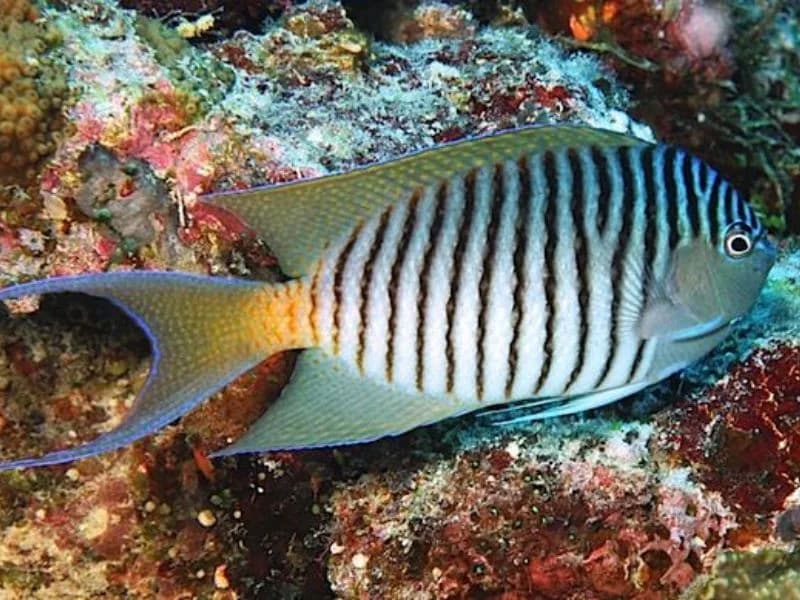
Bright reef fish often seen around coral slopes, ledges, and healthy reef structure.
Best habitat: Coral-rich reef faces and mid-depth reef walls
Usually seen around coral-rich reef faces and mid-depth reef walls.
Usually seen around coral-rich reef faces and mid-depth reef walls.
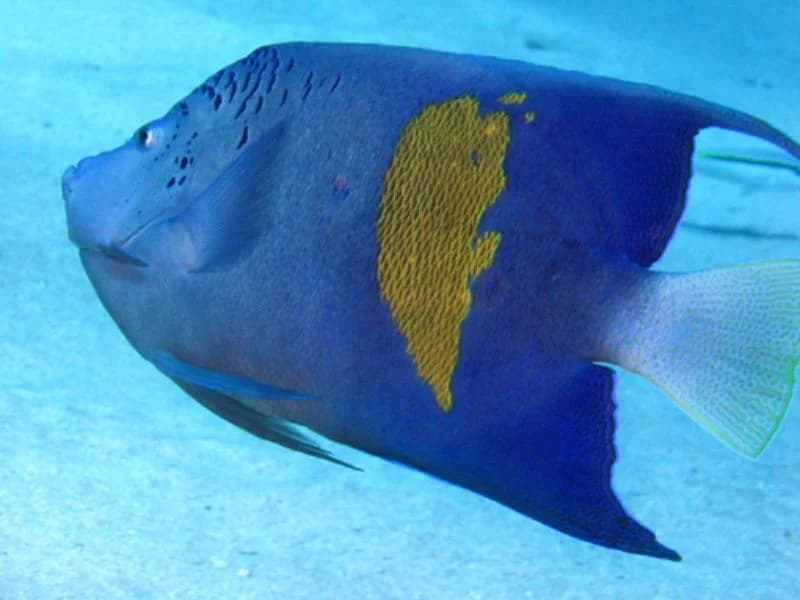
Usually seen around coral-rich reef faces and mid-depth reef walls.
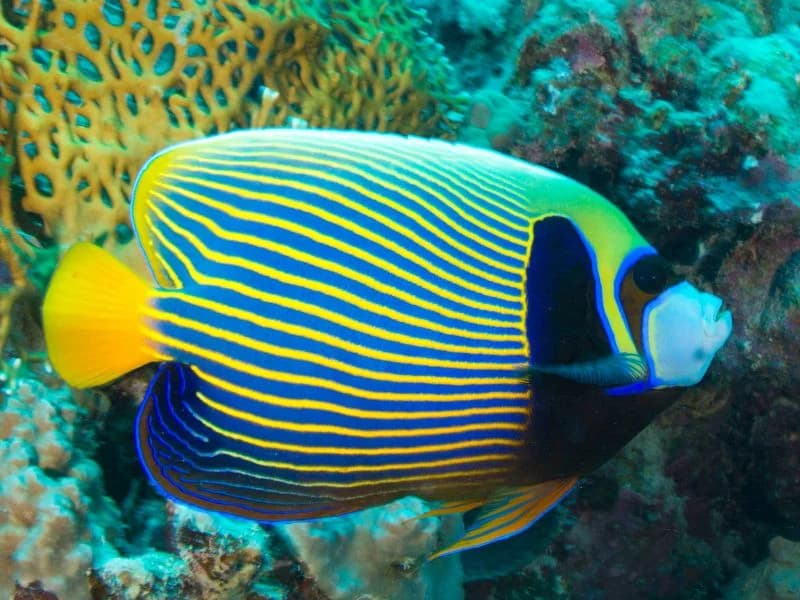
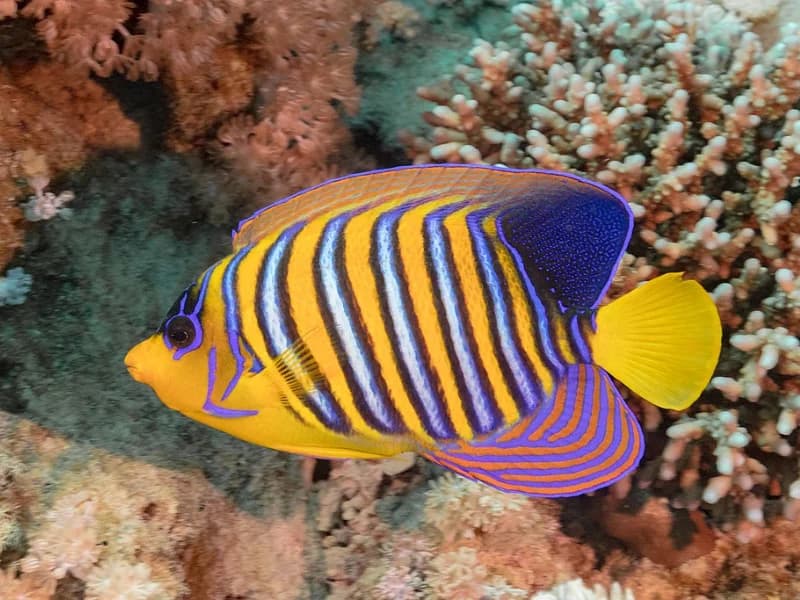
Usually seen around coral-rich reef faces and mid-depth reef walls.
Easy-to-recognize schooling fish that often stand out around open reef structure.
Best habitat: Open reef edges, moorings, and calm blue-water entries
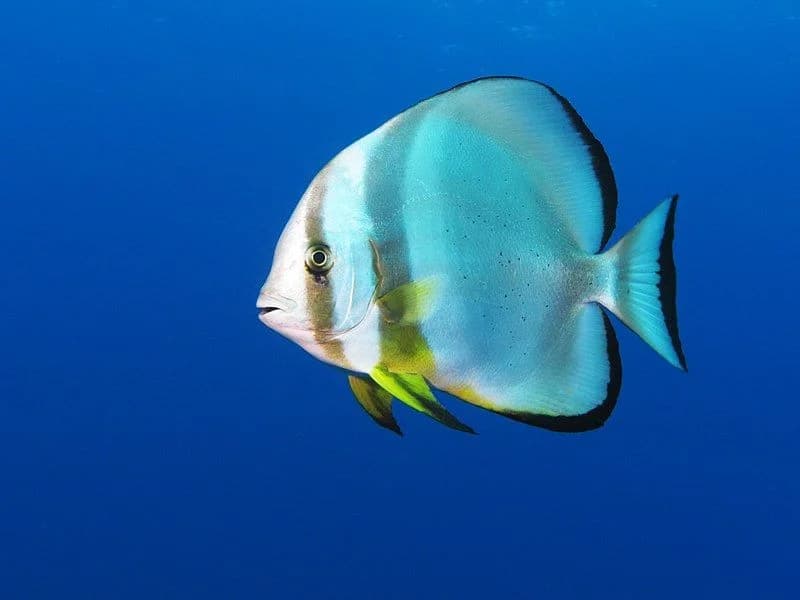
Usually seen around open reef edges, moorings, and calm blue-water entries.
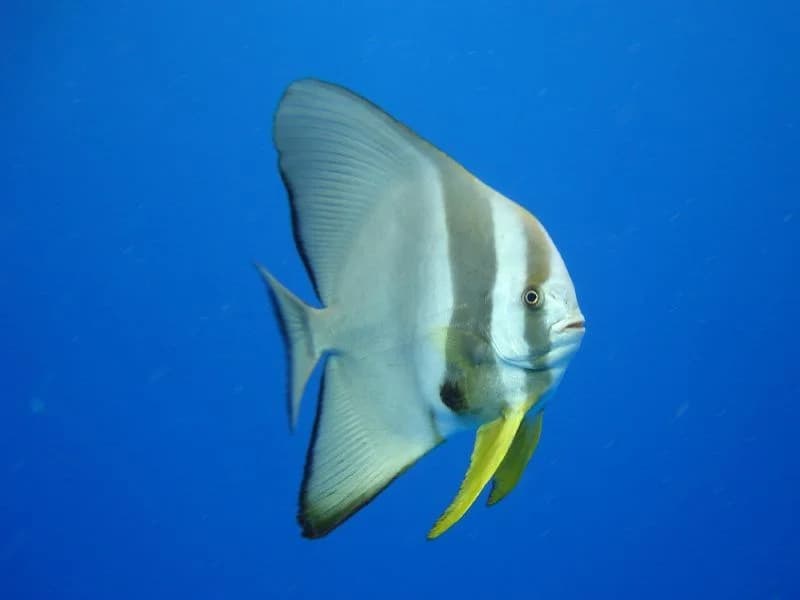
Usually seen around open reef edges, moorings, and calm blue-water entries.
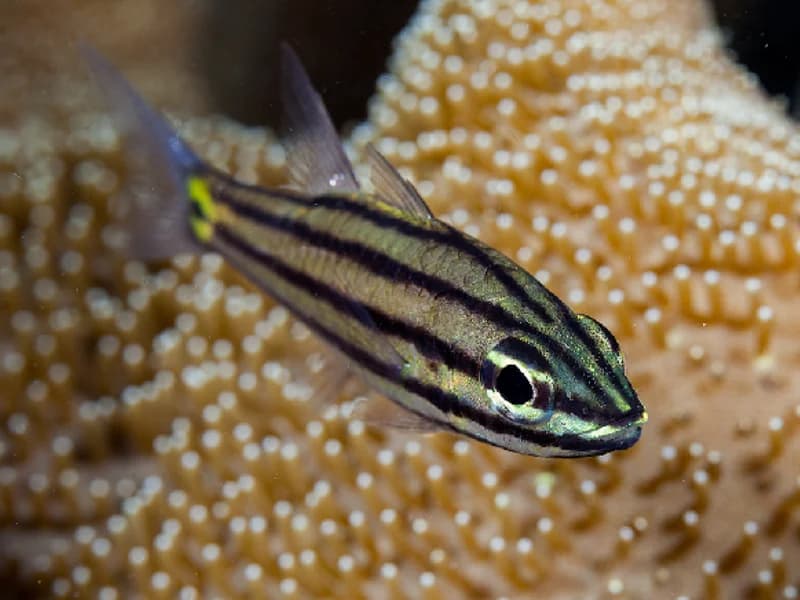
Small character-rich reef species usually spotted by slower divers with better observation habits.
Best habitat: Coral heads, reef holes, sandy coral patches, and macro-friendly zones
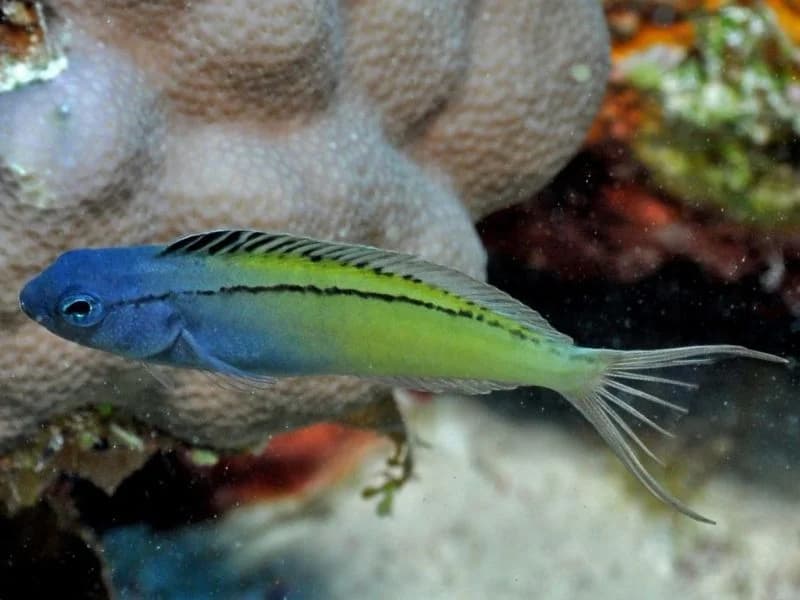
Usually seen around coral heads, reef holes, sandy coral patches, and macro-friendly zones.
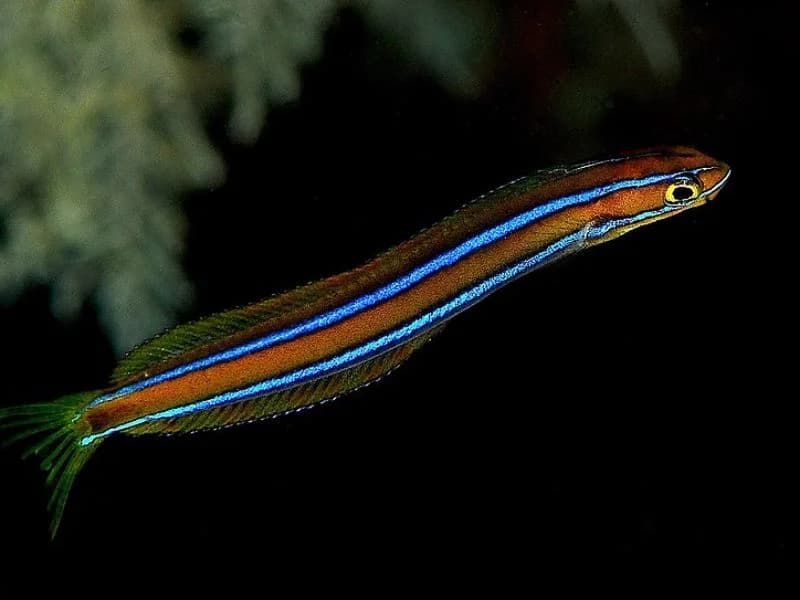
Usually seen around coral heads, reef holes, sandy coral patches, and macro-friendly zones.
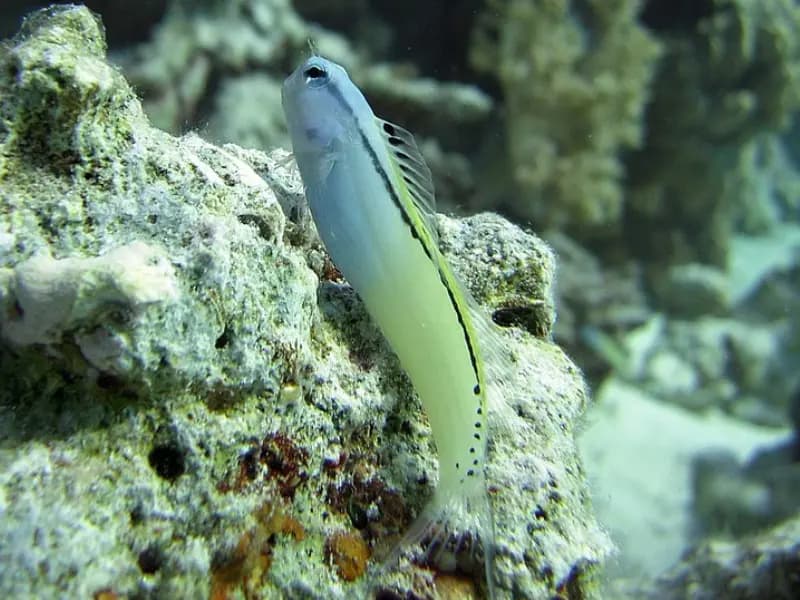
Usually seen around coral heads, reef holes, sandy coral patches, and macro-friendly zones.
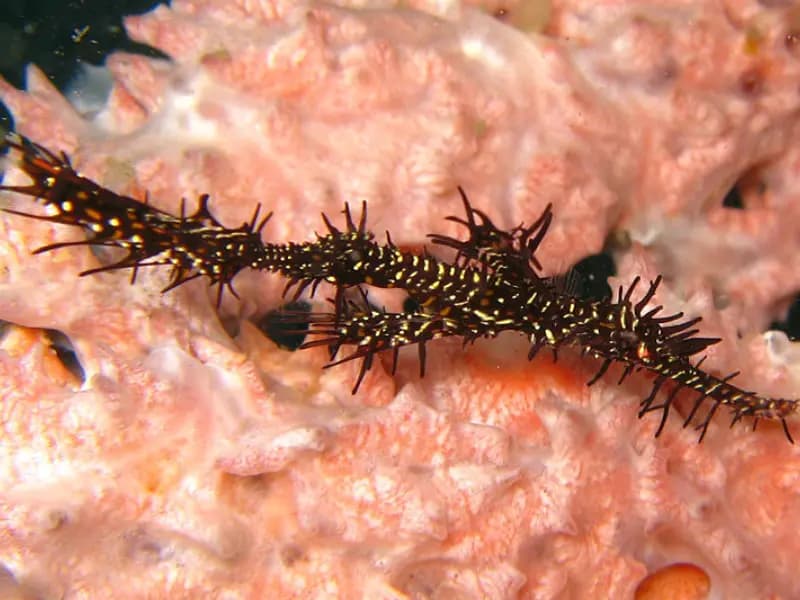
Usually seen around coral heads, reef holes, sandy coral patches, and macro-friendly zones.
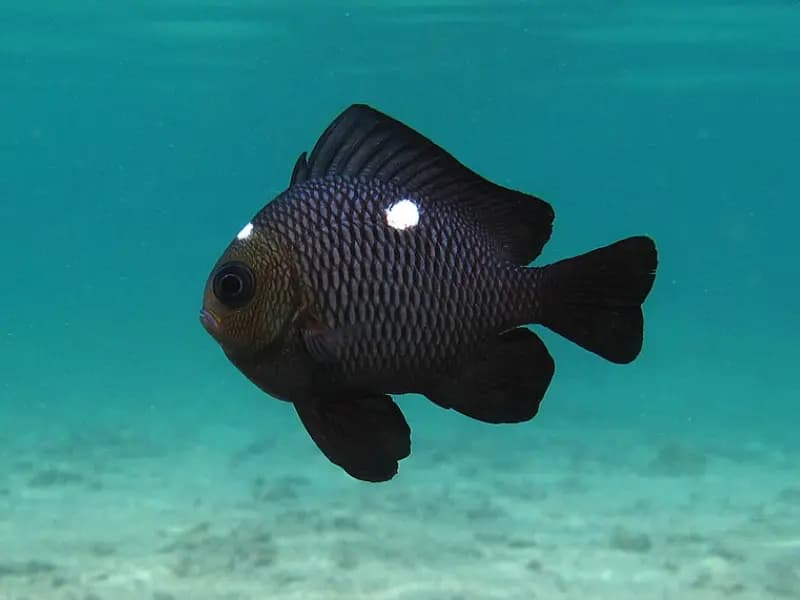
Usually seen around coral heads, reef holes, sandy coral patches, and macro-friendly zones.
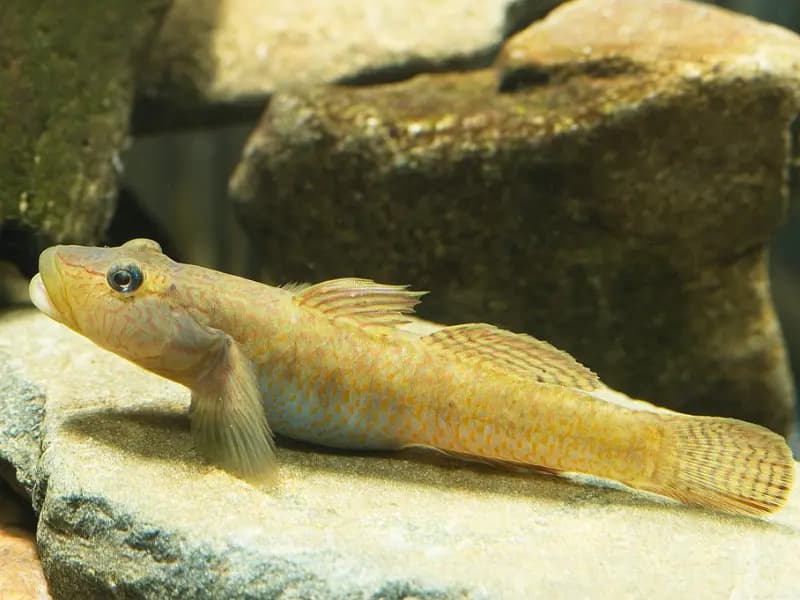
Usually seen around coral heads, reef holes, sandy coral patches, and macro-friendly zones.
The kinds of fish most divers expect to see regularly on Hurghada daily-diving routes.
Best habitat: House reefs, coral gardens, pinnacles, and standard day-boat sites
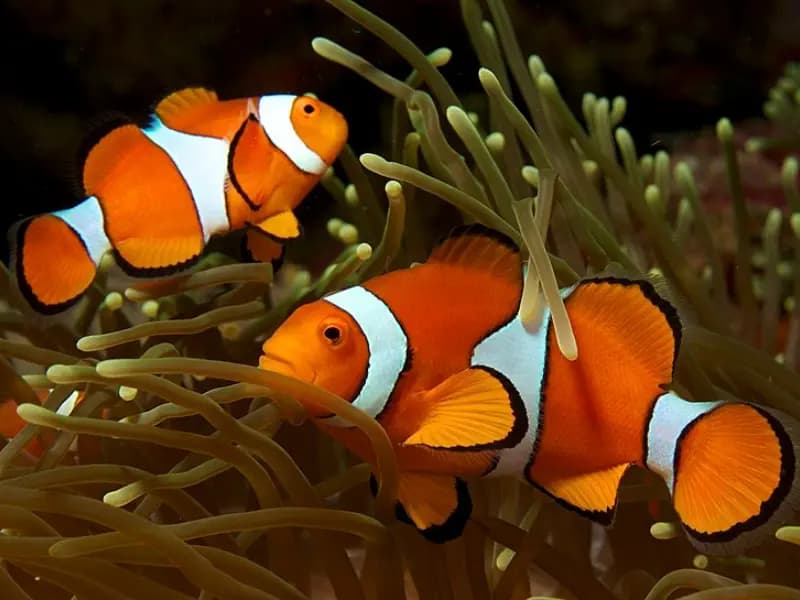
Usually seen around house reefs, coral gardens, pinnacles, and standard day-boat sites.
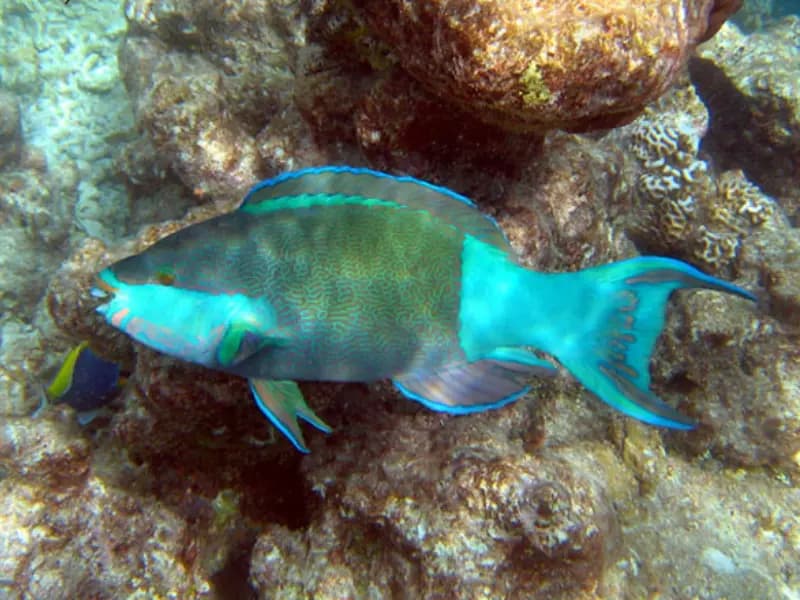
Usually seen around house reefs, coral gardens, pinnacles, and standard day-boat sites.
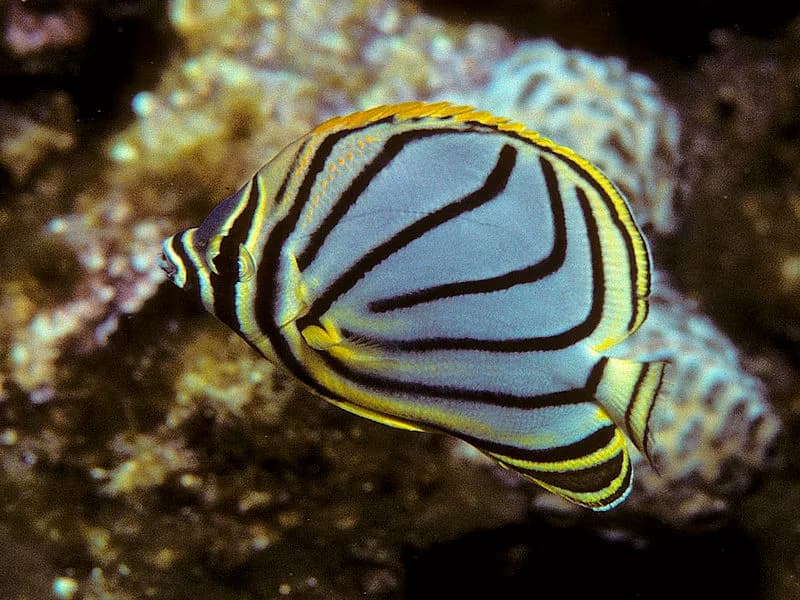
Usually seen around house reefs, coral gardens, pinnacles, and standard day-boat sites.
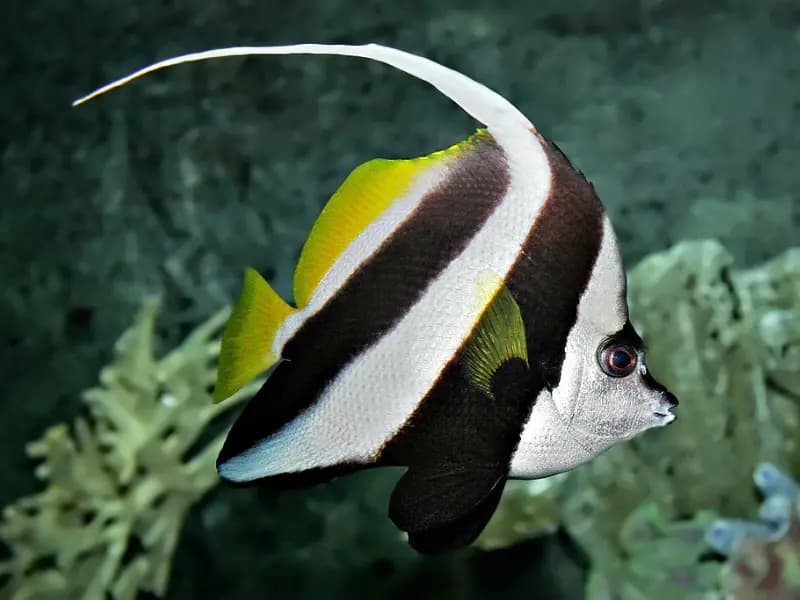
Usually seen around house reefs, coral gardens, pinnacles, and standard day-boat sites.
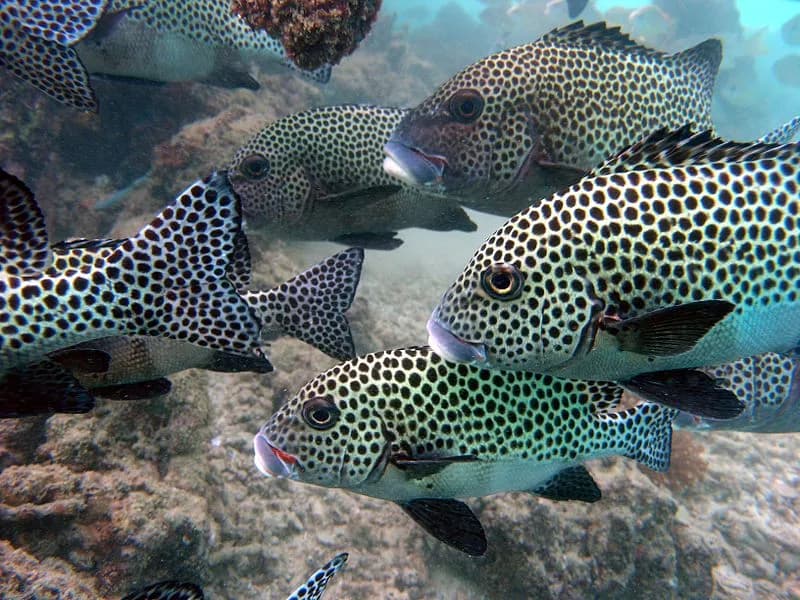
Usually seen around house reefs, coral gardens, pinnacles, and standard day-boat sites.
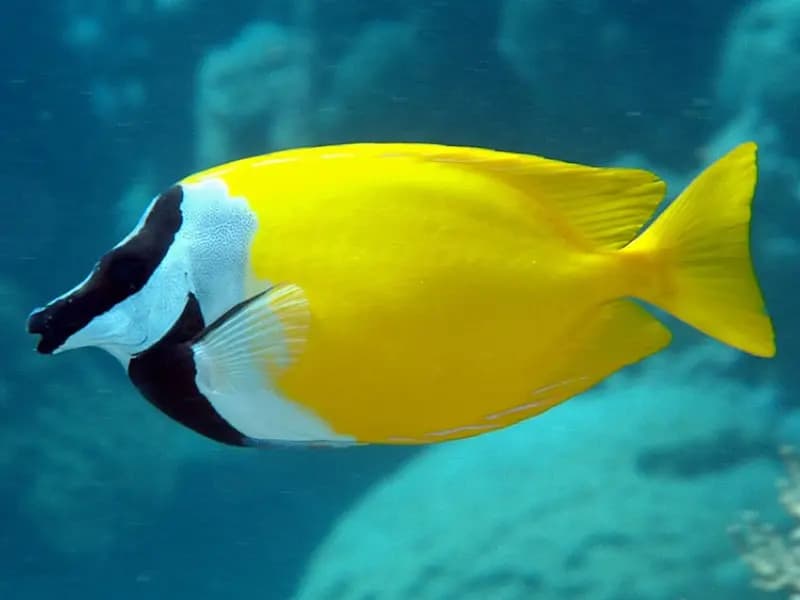
Usually seen around house reefs, coral gardens, pinnacles, and standard day-boat sites.
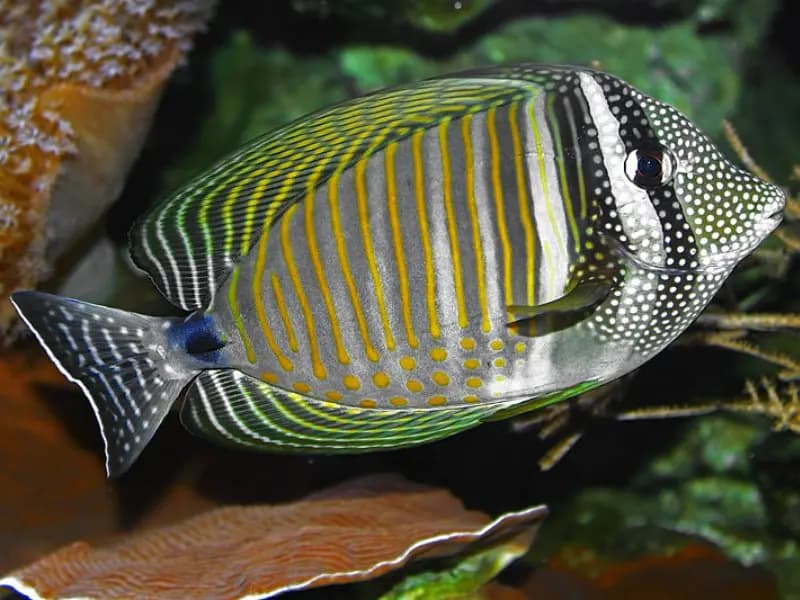
Usually seen around house reefs, coral gardens, pinnacles, and standard day-boat sites.
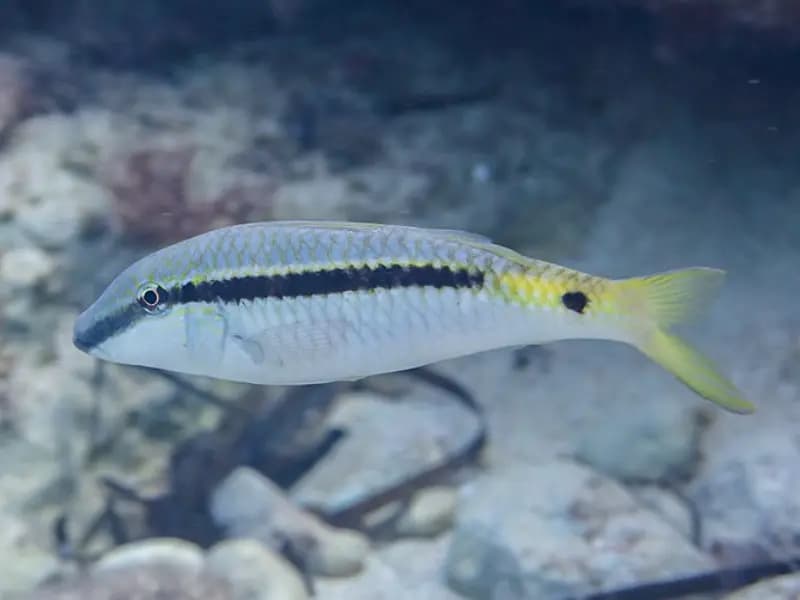
Usually seen around house reefs, coral gardens, pinnacles, and standard day-boat sites.
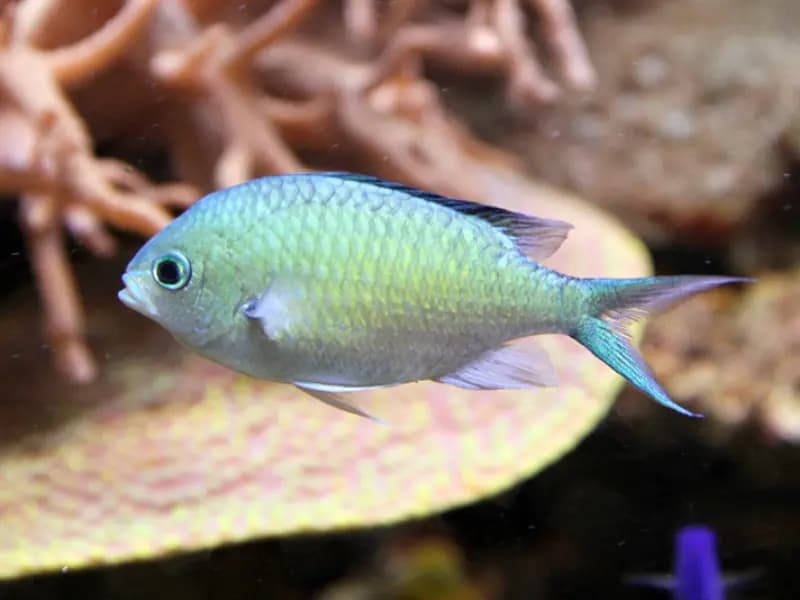
Usually seen around house reefs, coral gardens, pinnacles, and standard day-boat sites.
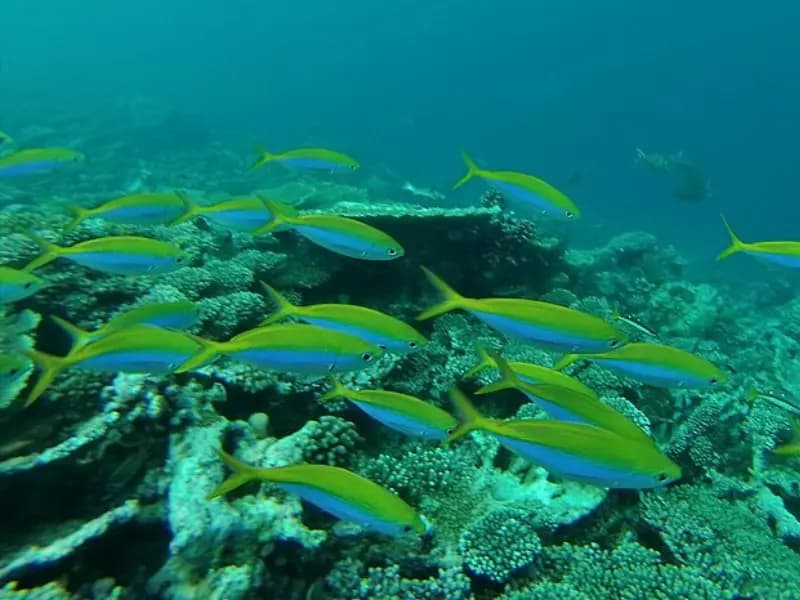
Usually seen around house reefs, coral gardens, pinnacles, and standard day-boat sites.
Larger, stronger, or more behavior-driven species that often make a dive more memorable.
Best habitat: Reef drop-offs, current-exposed sections, and more open reef structure
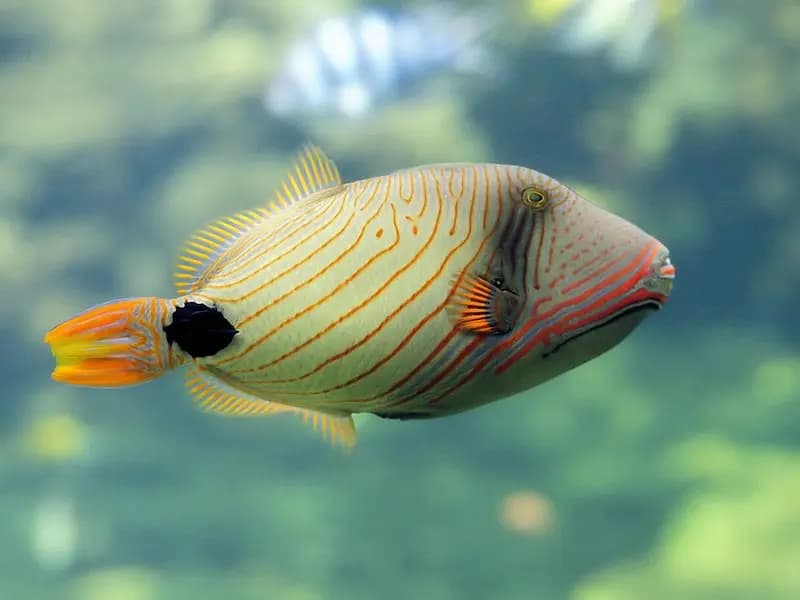
Usually seen around reef drop-offs, current-exposed sections, and more open reef structure.
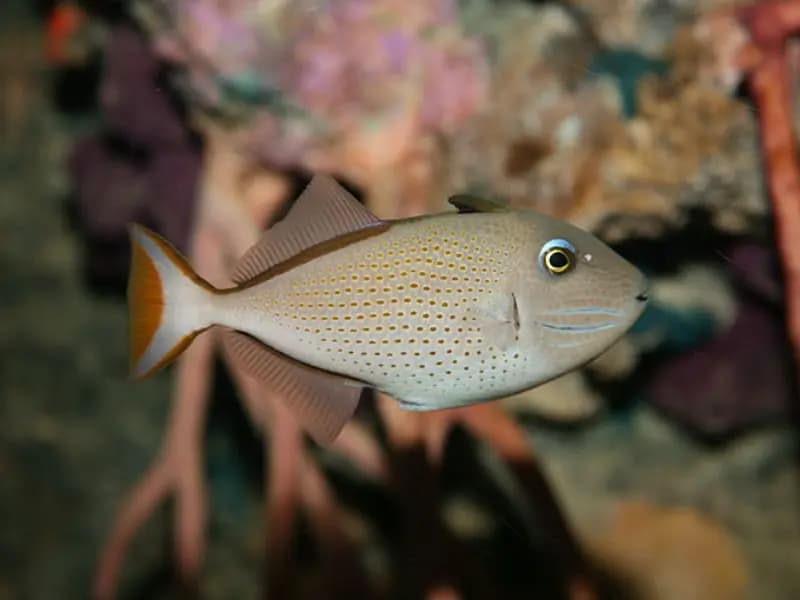
Usually seen around reef drop-offs, current-exposed sections, and more open reef structure.
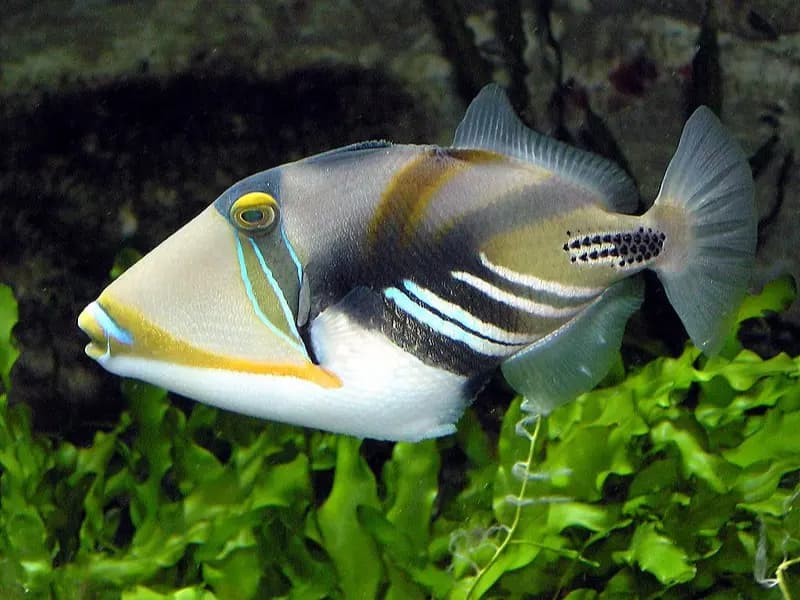
Usually seen around reef drop-offs, current-exposed sections, and more open reef structure.
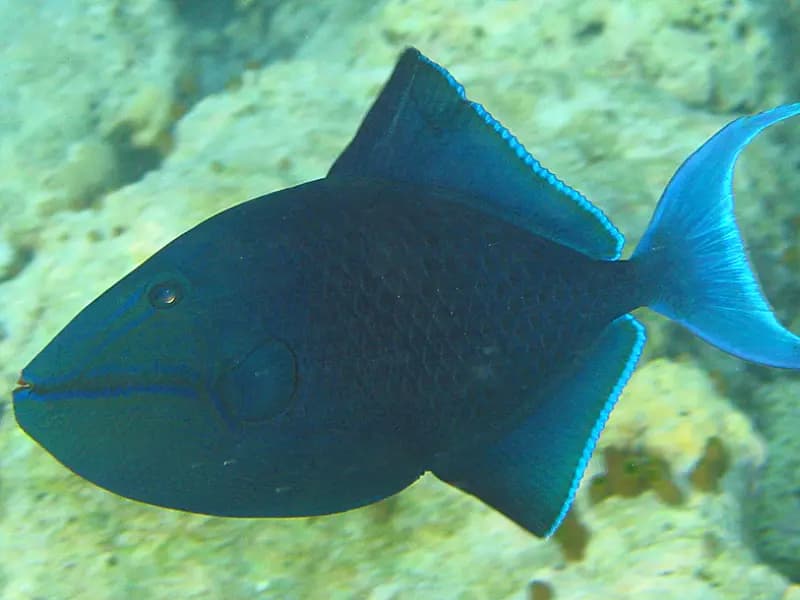
Usually seen around reef drop-offs, current-exposed sections, and more open reef structure.
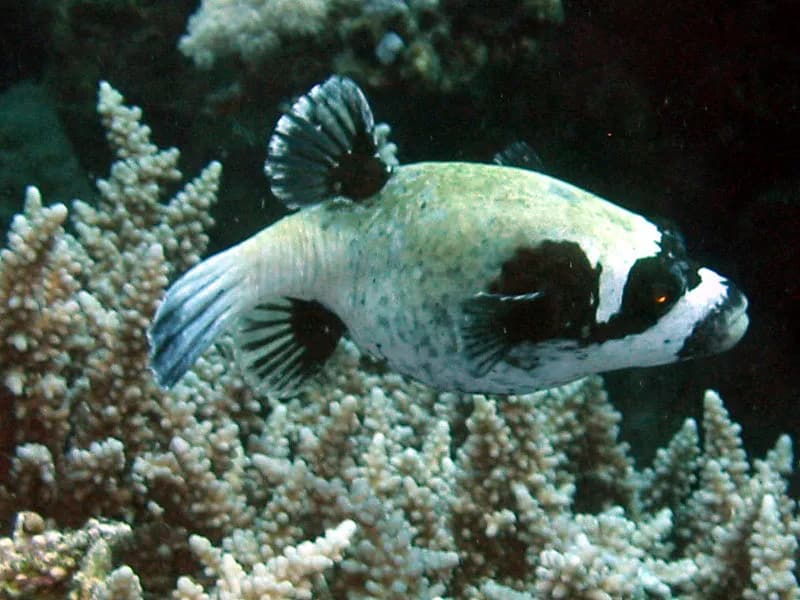
Usually seen around reef drop-offs, current-exposed sections, and more open reef structure.
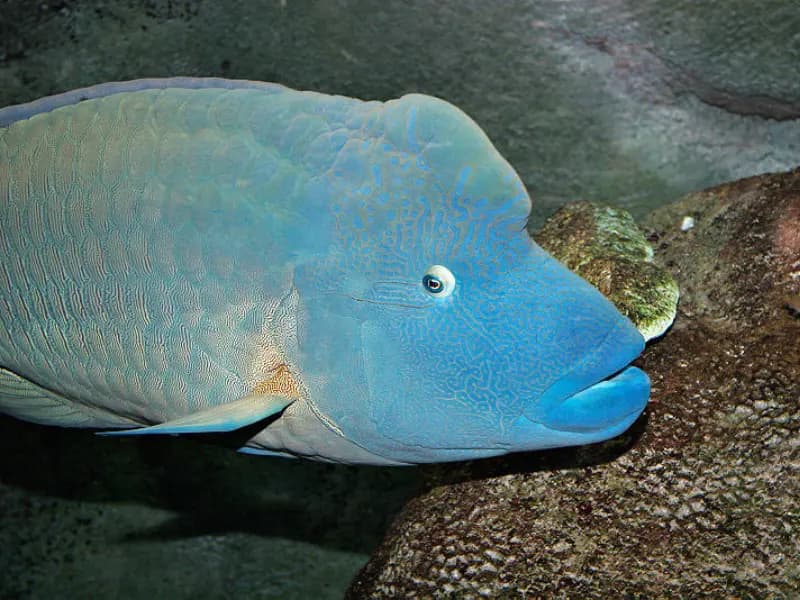
Usually seen around reef drop-offs, current-exposed sections, and more open reef structure.
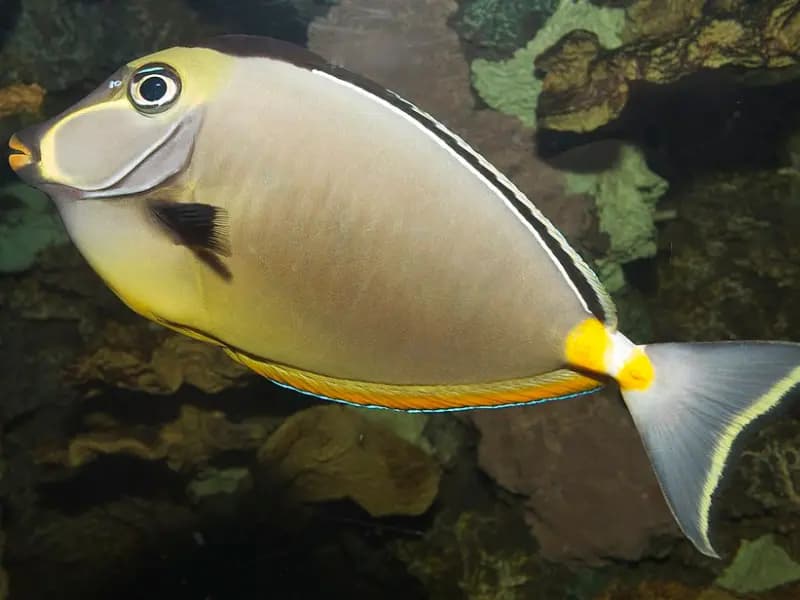
Usually seen around reef drop-offs, current-exposed sections, and more open reef structure.
Interesting species that reward slower dives and a closer look over sand or mixed-bottom terrain.
Best habitat: Sandy patches, coral rubble, mixed-bottom lagoons, and gentle slopes
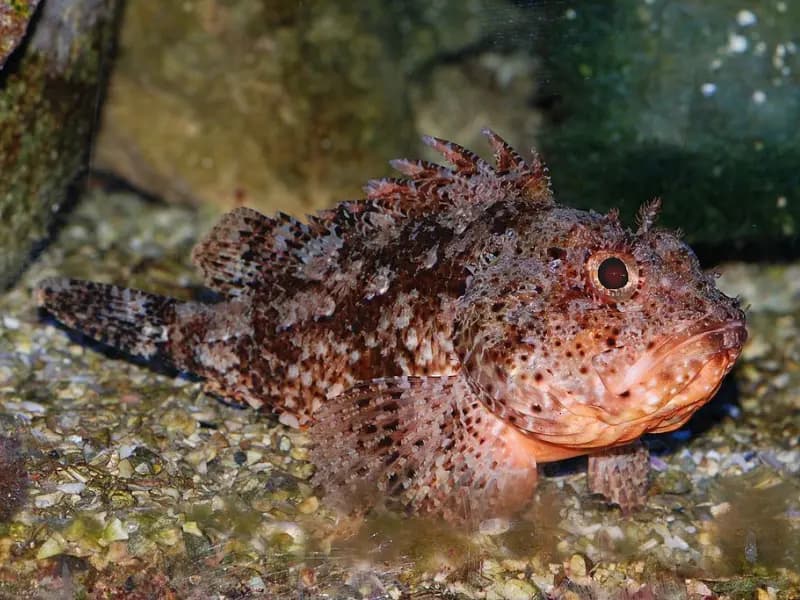
Usually seen around sandy patches, coral rubble, mixed-bottom lagoons, and gentle slopes.
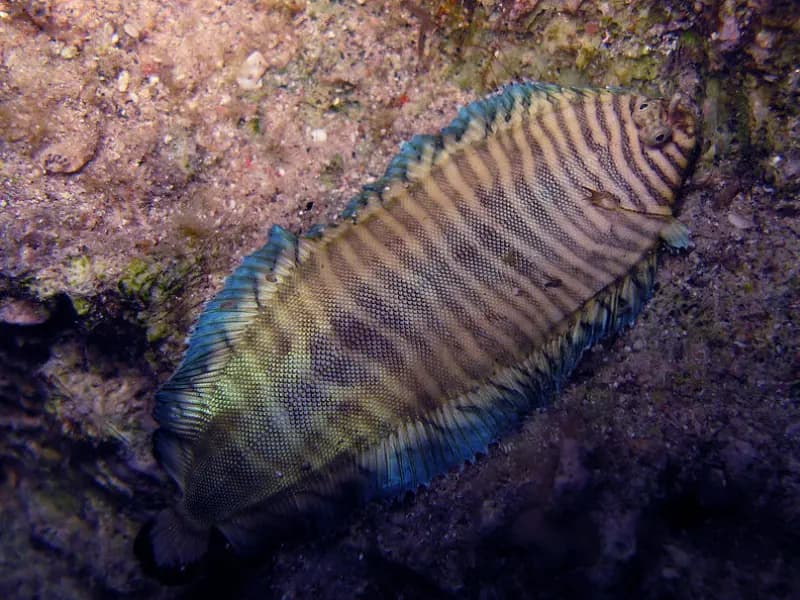
Usually seen around sandy patches, coral rubble, mixed-bottom lagoons, and gentle slopes.
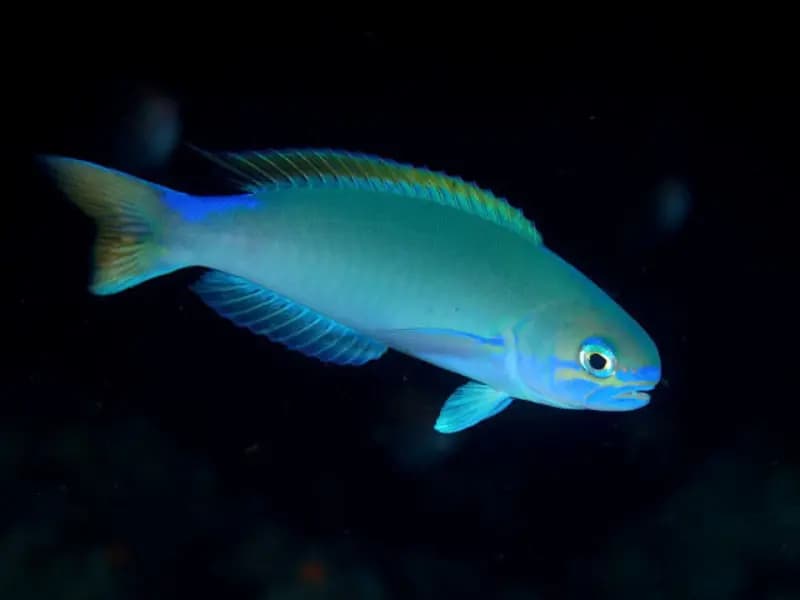
Usually seen around sandy patches, coral rubble, mixed-bottom lagoons, and gentle slopes.
Listed in the source material and kept as-is pending later editorial cleanup.
Long snake-like reef predators usually tucked into coral crevices with only their head and jaws exposed.
Best habitat: Coral crevices, reef holes, ledges, and overhangs on the main reef structure
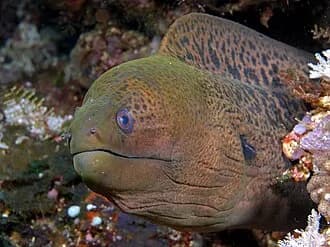
The largest moray on the Red Sea reef and often the highlight of a night dive briefing.
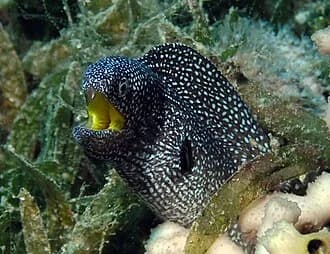
Recognizable by the bright yellow lining of its mouth, usually spotted inside deeper reef holes.
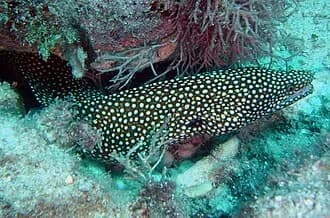
A spotted moray with a bright white mouth lining, active on the reef around dawn and dusk.
A smaller grey moray with fine dark speckles, common in shallow Hurghada house-reef cracks.
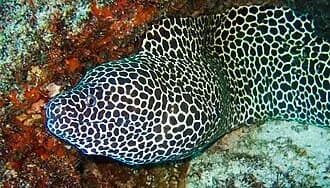
A striking black-and-white honeycomb pattern makes this one of the most photogenic morays in the Red Sea.
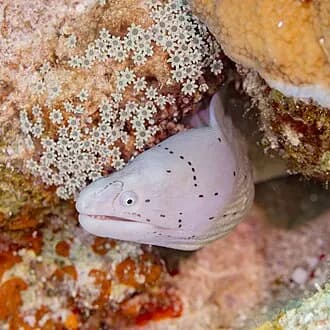
A pale moray with fine geometric speckling, often curious and easy to observe from distance.
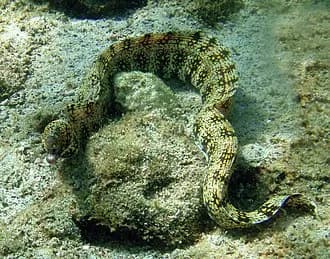
A small moray with a white-and-black mottled pattern, frequently seen on shallow night dives.
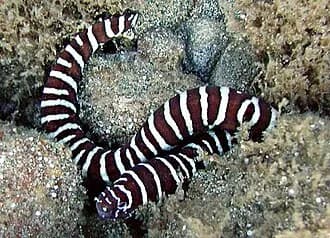
Unmistakable dark-and-white bands make this a bucket-list spot for divers who love reef macro.
Solid reef predators that hold territory around coral blocks, overhangs, and drop-offs.
Best habitat: Coral heads, overhangs, reef drop-offs, and larger structure around Hurghada day sites
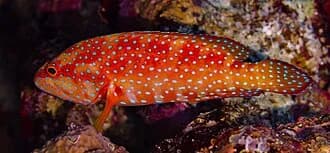
A bright orange-red grouper with electric-blue spots, one of the most photographed reef predators in the Red Sea.
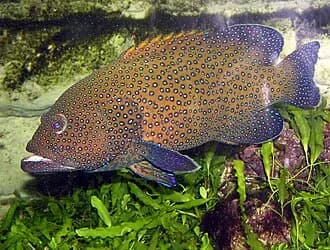
Dark body covered in small blue spots, usually holding station under coral ledges.
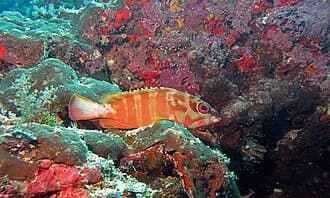
A smaller reef grouper with dark-tipped dorsal spines, often stationary close to coral.
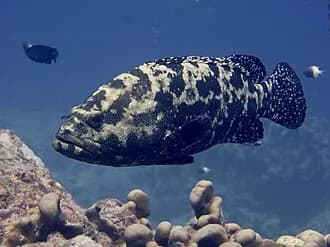
A heavy-bodied grouper with a mottled pattern, usually seen resting on reef shoulders.
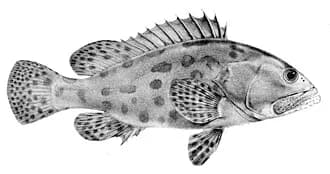
A large, curious grouper sometimes reported on offshore Hurghada reefs and deeper pinnacles.
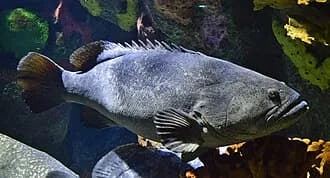
The heavyweight of the reef, rare but an unforgettable encounter when it appears.
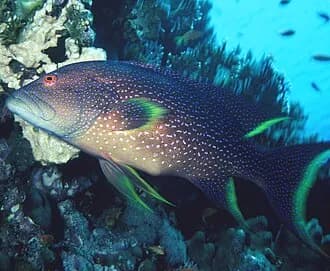
A bright red grouper with a clear yellow trailing edge on the tail, active across mid-depth reefs.
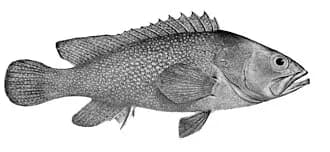
A smaller Red Sea grouper with scattered white blotches, often seen on shallower reef shoulders.
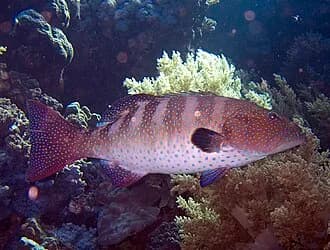
A mobile hunter that cruises the reef edge rather than sitting still, so worth watching blue-water approaches.
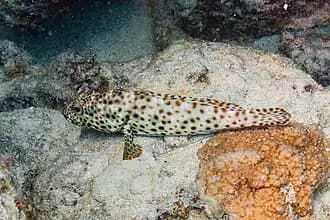
A big, stocky grouper with dark blotches, often holding the same spot dive after dive.
Active colourful reef fish constantly working coral heads and cleaning stations.
Best habitat: Coral gardens, cleaning stations, mid-reef slopes, and structure-rich sections
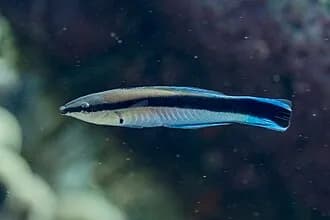
The small blue-striped cleaner seen picking parasites off larger fish at reef cleaning stations.
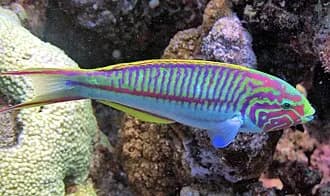
A Red Sea endemic often used as a marker species for identifying the region on photo IDs.
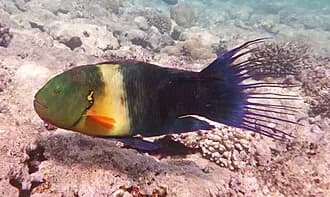
A large wrasse with a distinctive broom-shaped tail, often patrolling reef drop-offs.
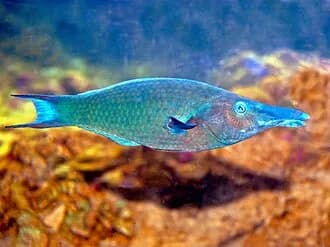
Unmistakable long pointed snout, constantly poking into coral crevices for small prey.
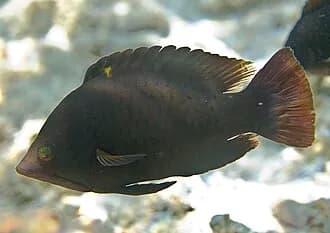
Famous for its extending tube-like jaw that shoots out to catch prey, a classic fish-behaviour shot.
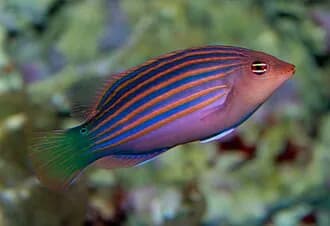
A small purple wrasse with orange stripes, darting in and out of branching coral on shallow reefs.
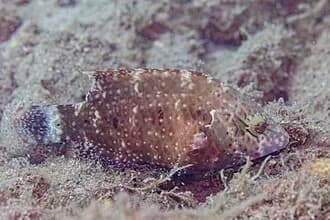
A mid-size wrasse with dark cheek markings, often cruising reef slopes in Hurghada.
Schooling predators that cluster around coral heads, pinnacles, and blue-water reef corners.
Best habitat: Pinnacles, coral towers, mid-depth reef slopes, and current-exposed reef corners
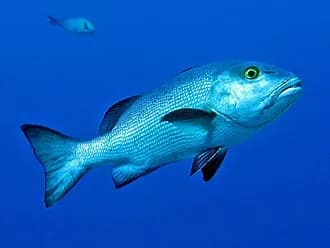
A large red snapper that can dominate coral towers and is a classic sighting around Abu Ramada.
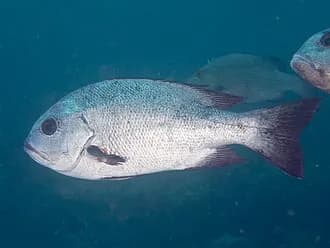
Adults are deep black-and-grey; juveniles are bold black-and-white, so schools often look mixed.
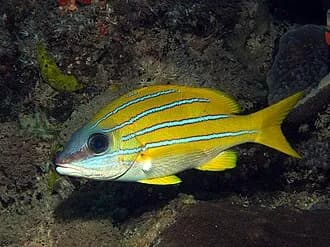
A yellow snapper with bright blue body stripes, famous for forming tight photogenic schools.
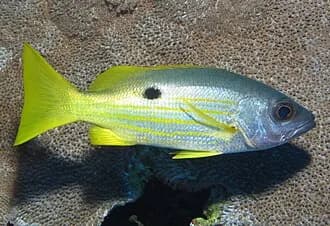
A Red Sea classic that often schools with other snappers around coral heads and wrecks.
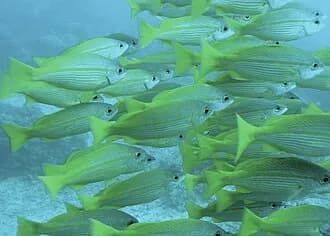
Small yellow-and-silver snapper usually seen in tight schools close to coral structure.
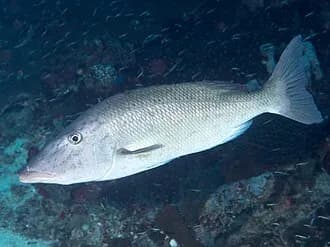
A pale elongated emperor that cruises sand-reef edges in small groups.
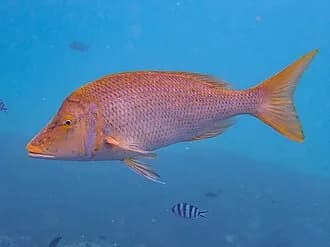
A larger silvery-blue emperor with fine blue facial lines, often seen over mixed sand-coral.
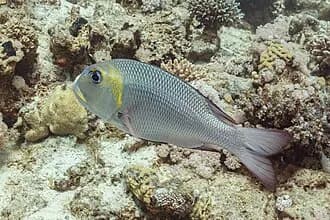
Deep silver body with large eyes, often seen resting in loose groups near coral blocks.
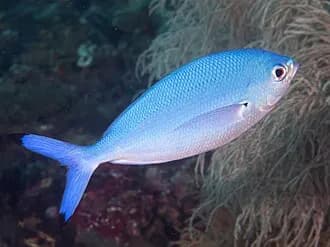
A bright blue schooling fusilier that lights up mid-water on current-exposed reefs.
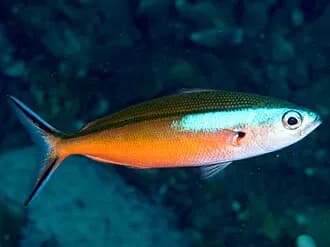
Fast-moving fusilier with a neon blue streak, forming huge feeding schools on offshore reefs.
Venomous ambush predators that reward divers who slow down and look carefully at reef shadows and sand.
Best habitat: Reef ledges, overhangs, coral heads, and sandy patches near the base of the reef
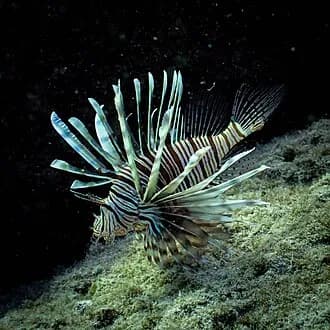
The classic Red Sea lionfish, often seen hovering under ledges or hunting along the reef at dusk.
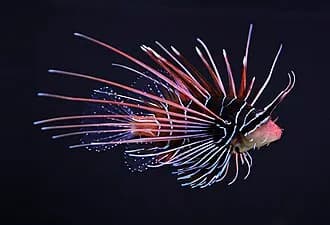
A slimmer lionfish with clear unmarked fins, usually found in deeper or more shaded reef zones.
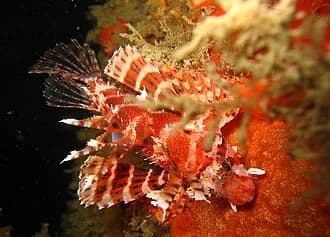
A small stocky lionfish usually hiding on reef rubble and sandy bottoms.
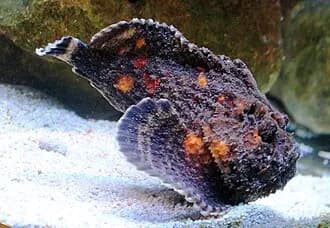
The world's most venomous fish and a master of camouflage, worth identifying before any reef-walking talk.
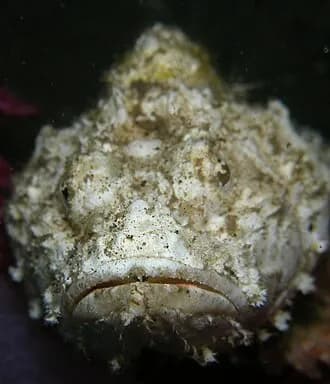
Often perfectly blended into coral rubble, with bright yellow inner pectoral fins flashed when disturbed.
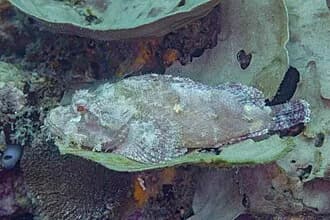
A reef-matching scorpionfish often missed completely unless your guide points it out.
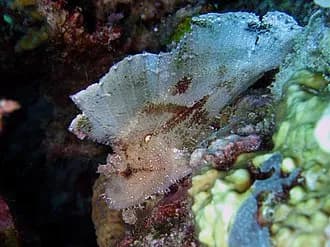
A tiny leaf-shaped scorpionfish that rocks back and forth like drifting algae, a macro favorite.
Fast open-water hunters that often appear in the blue just off the reef edge.
Best habitat: Reef drop-offs, blue-water corners, current-exposed pinnacles, and open-water transits
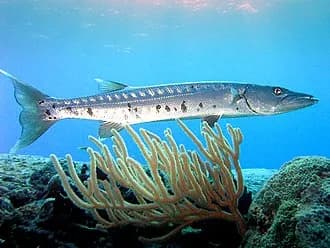
A large solitary barracuda that often hangs motionless at mid-water before disappearing into the blue.
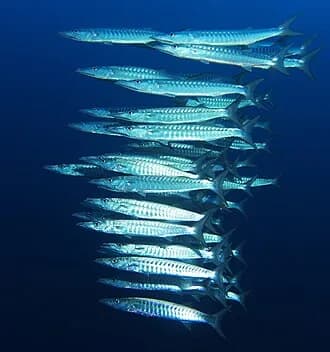
Forms dense schools that stack into tornado shapes on reef corners with current.
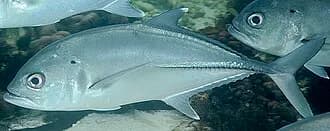
Silver trevally with oversized eyes, often schooling near coral towers and wreck structure.
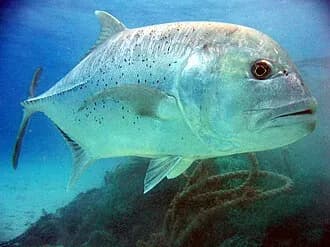
A powerful reef hunter that can show up alone out of the blue and then vanish just as fast.
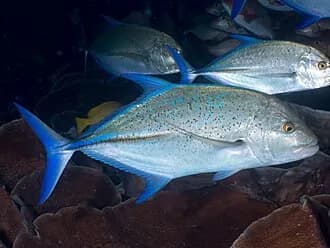
A sleek silver trevally with electric blue fins, usually seen hunting along reef edges.
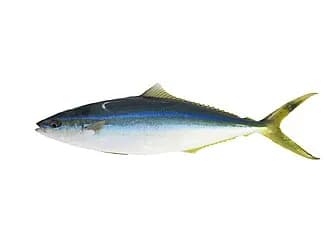
Long slim body with blue and yellow stripes, often cruising in loose fast-moving groups.
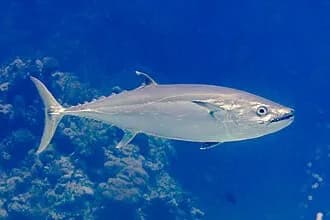
A heavy-bodied tuna that sometimes appears on offshore pinnacles and drop-offs.
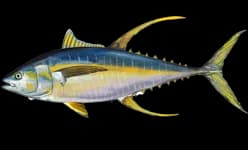
Not a reef fish, but a classic blue-water sighting on longer offshore runs out of Hurghada.
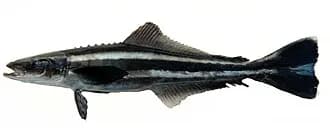
A long brown fish often shadowing rays and sharks, frequently mistaken for a small shark at first glance.
Iconic disc-shaped reef fish, often in pairs, and some of the most typical Red Sea species on ID cards.
Best habitat: Healthy coral gardens, reef flats, coral heads, and standard day-boat reef tops
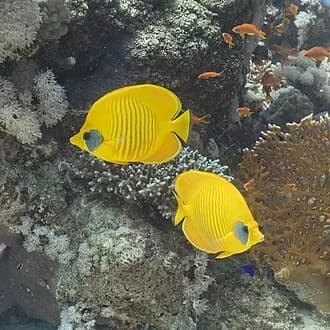
A bright yellow butterflyfish with a dark mask, one of the most photogenic Red Sea endemics.
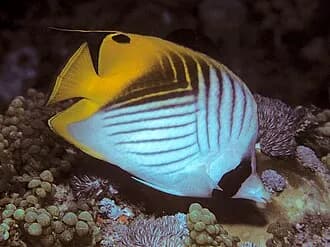
A white butterflyfish with a long trailing dorsal filament, very common across Hurghada reefs.
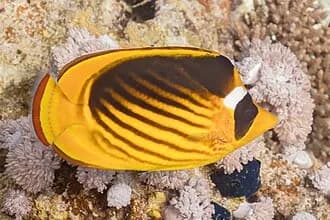
Black eye mask with strong orange bars on the body, a Red Sea signature species.
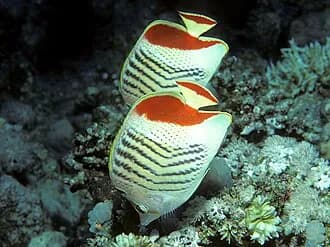
Endemic to the Red Sea, with a delicate red-orange crown pattern on a white body.
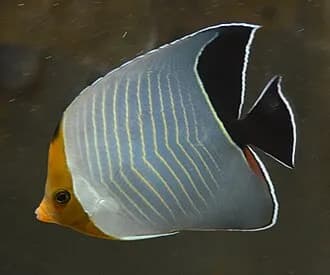
A small endemic butterflyfish with a bright orange face and dark body, often around Acropora coral.
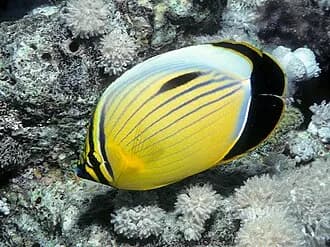
Another Red Sea endemic, showing fine yellow body lines and a dark back edge.
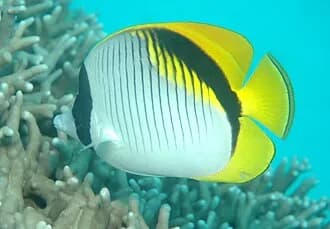
The largest butterflyfish in the region, with many vertical black lines across a white body.
Reef grazers that move across coral tops in small groups, often with bright contrasting colours.
Best habitat: Coral tops, reef plateaus, current edges, and mid-depth reef slopes
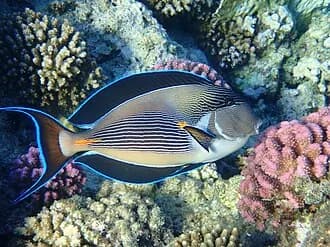
A Red Sea endemic with electric blue tail spines, famously territorial around its coral patch.
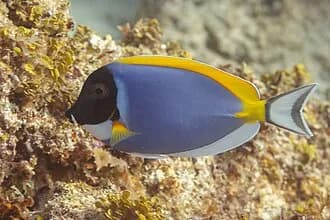
Pale blue body with a yellow dorsal fin, a more eastern species that shows up in the southern Red Sea.
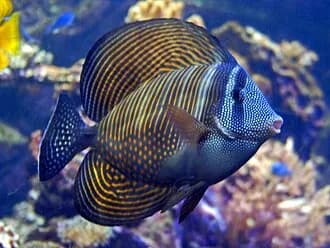
Large sail-like dorsal fin and bold reef presence, one of the most recognizable Red Sea tangs.
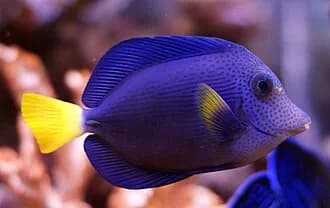
Deep purple body with a bright yellow tail, an endemic species featured on nearly every Red Sea guide.
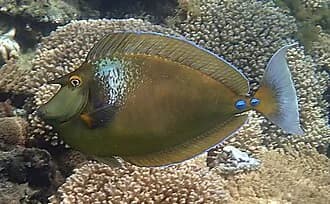
A larger surgeonfish with a forehead horn and blue tail spines, usually on current-exposed corners.
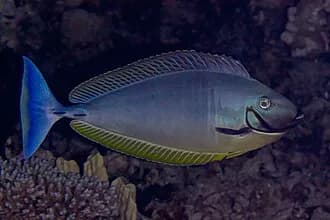
Lacks the horn, often seen mid-water in loose groups on offshore reefs and pinnacles.
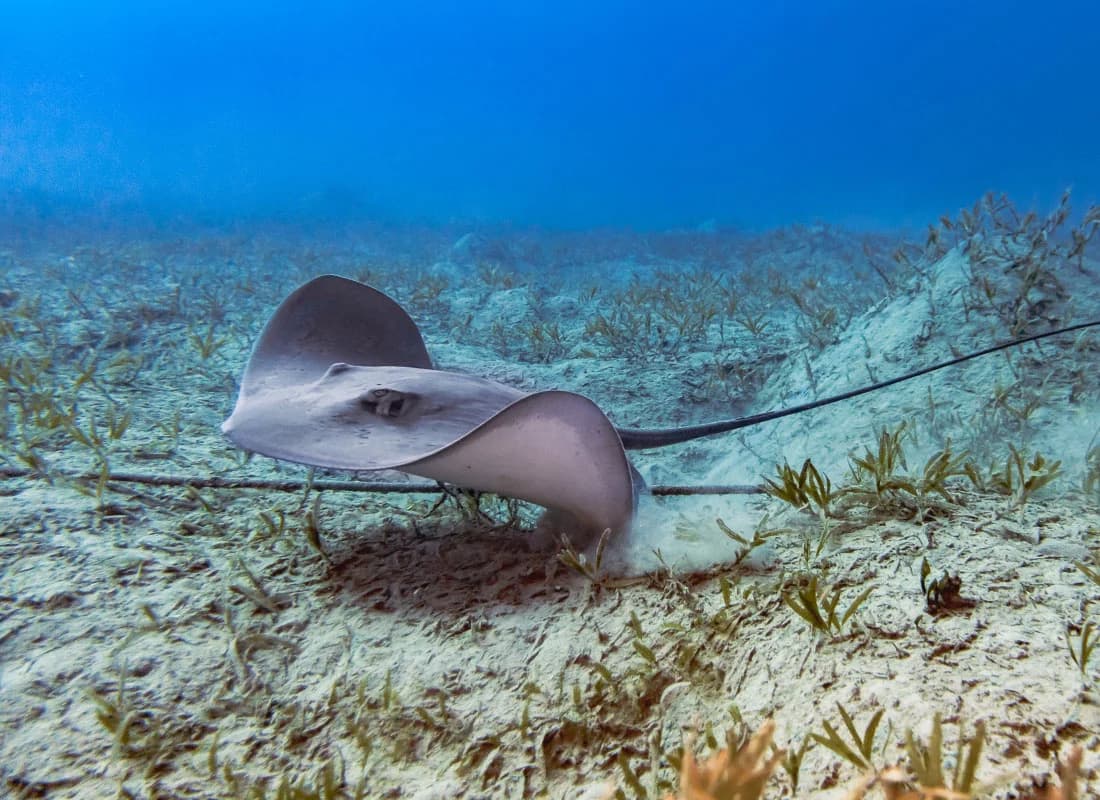
Elegant bottom-dwelling species usually seen over sand, near coral blocks, or on calm reef approaches.
Best habitat: Sandy bottom, coral-sand edges, and quiet reef approaches
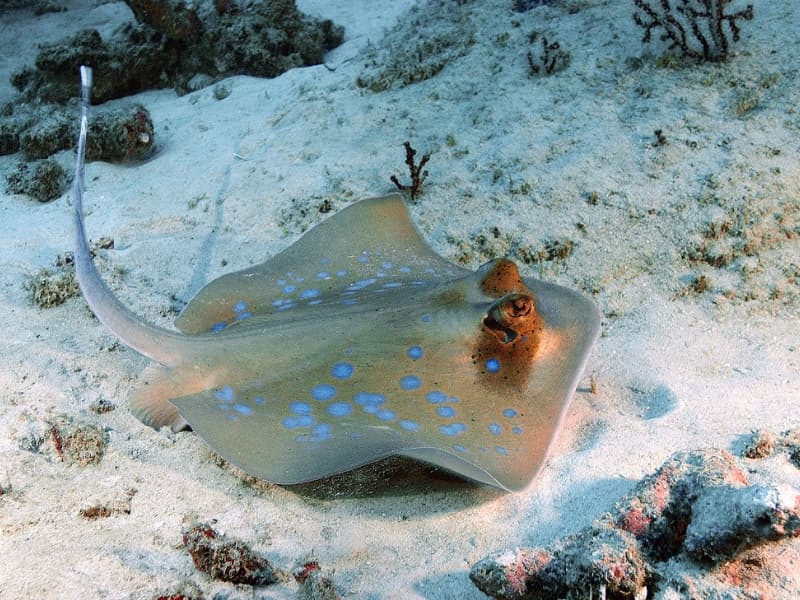
One of the most recognizable rays in the Red Sea and often a favorite for first-time sightings.
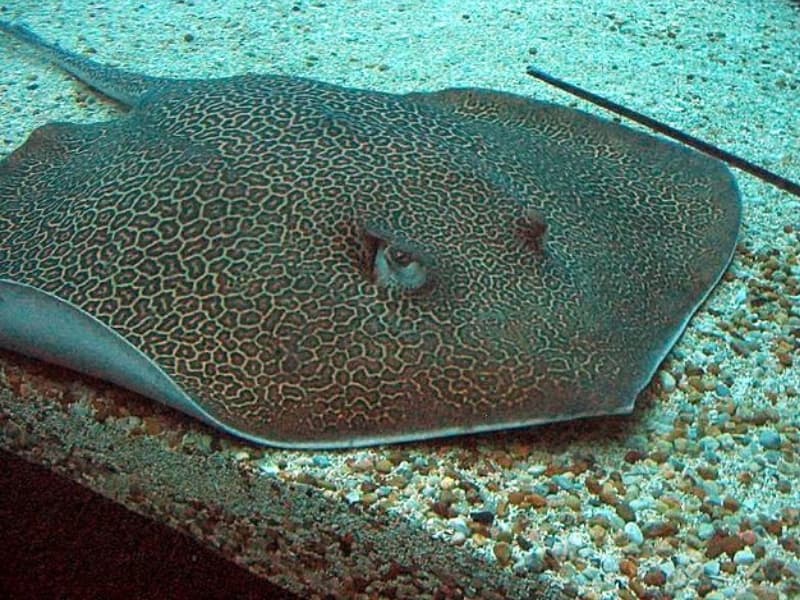
Usually associated with sandy areas and broad-bottom terrain.
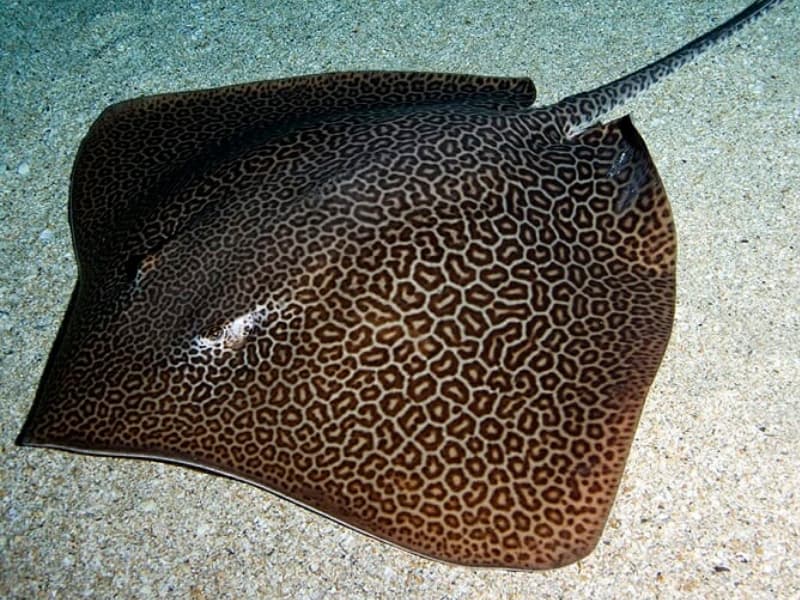
A premium sighting for divers who enjoy slower observation and sandy-bottom searching.
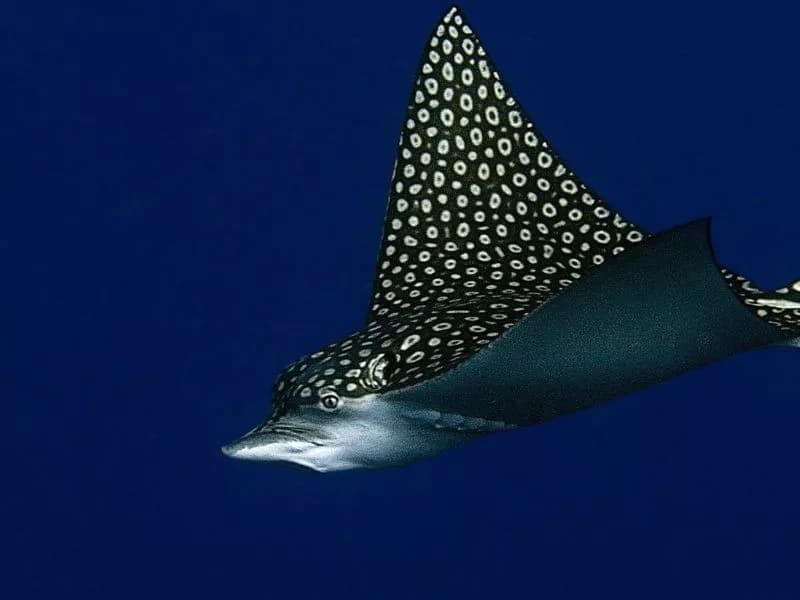
Usually a high-value sighting that feels more special on open reef and blue-water routes.
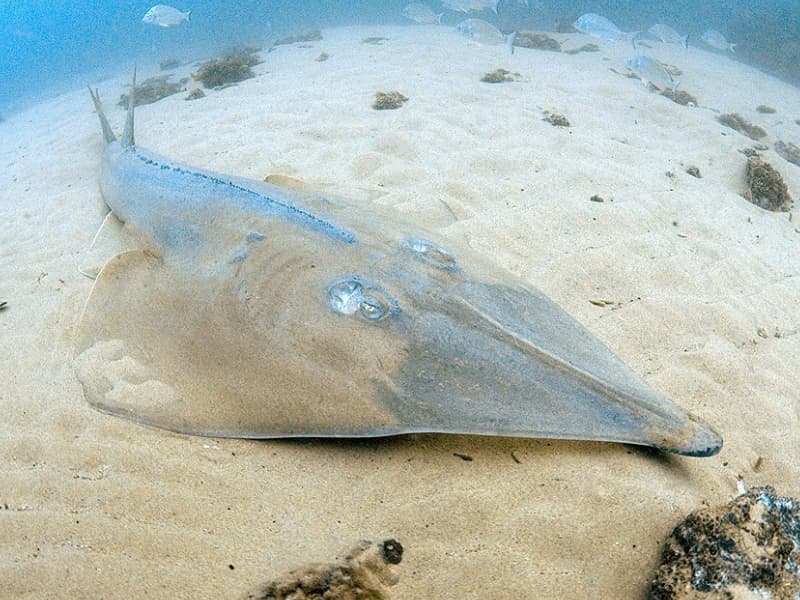
A larger profile often associated with broad sandy-bottom areas and quieter approaches.
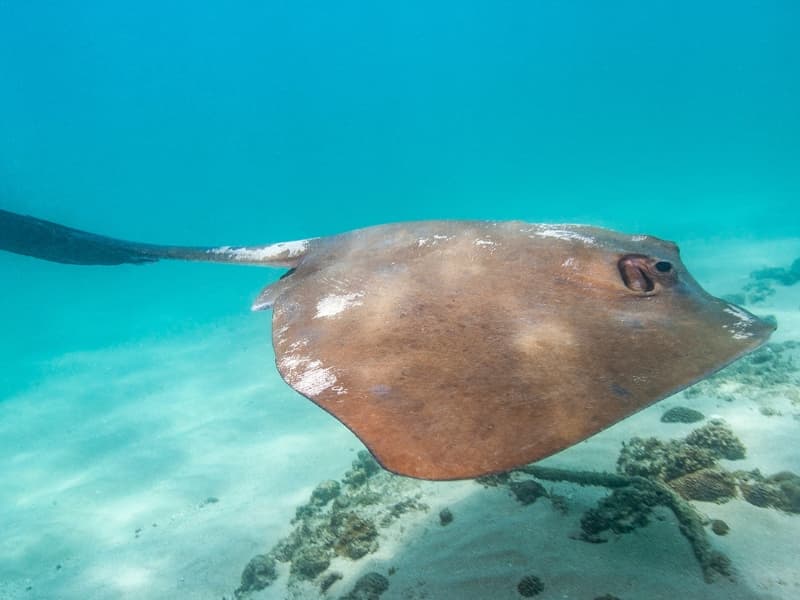
A heavier-bodied ray profile worth checking on calmer sandy sections.
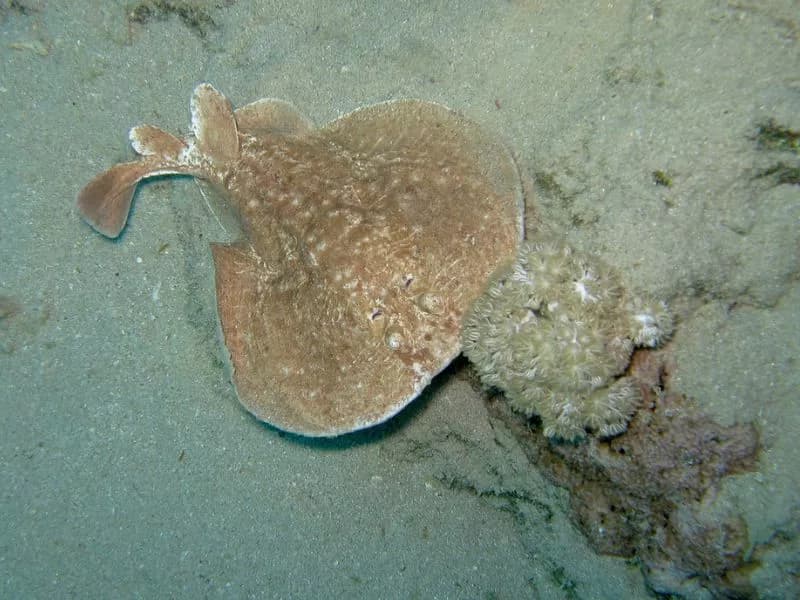
An unusual electric ray entry that makes the guide feel more complete for curious divers.
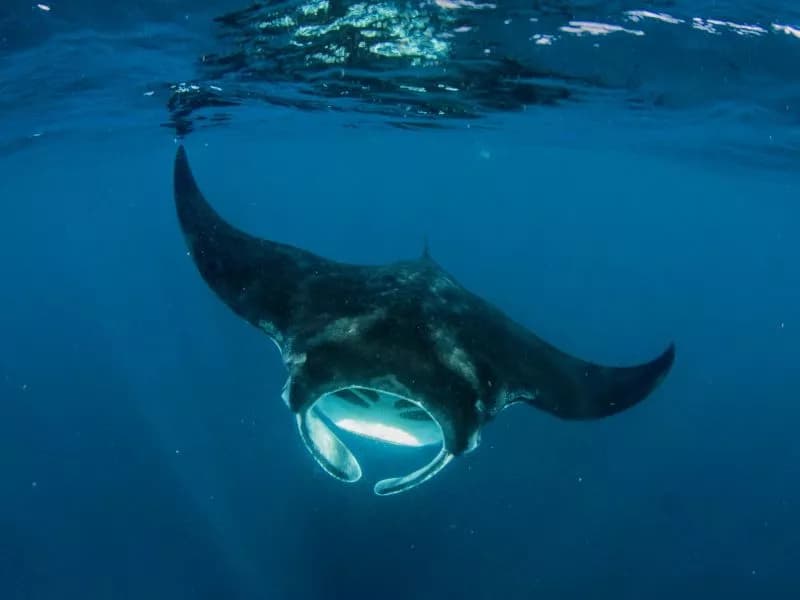
A dream sighting rather than a routine one, but still an iconic name in a full Red Sea reference.
The shark species divers most hope to see in the Red Sea, from shallow reef regulars to rare open-water encounters.
Best habitat: Reef drop-offs, offshore pinnacles, deeper coral walls, and open blue-water routes
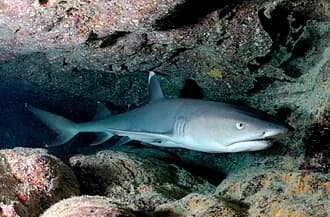
A calm reef shark often seen resting under ledges during the day, active on night dives.
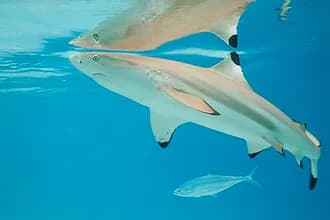
Shallow-water shark with bold black-tipped fins, often patrolling reef flats and lagoon edges.
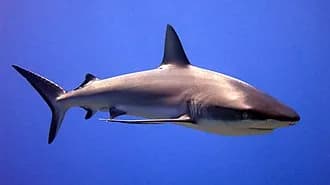
A classic reef shark on deeper corners and drop-offs, usually cruising just off the reef wall.
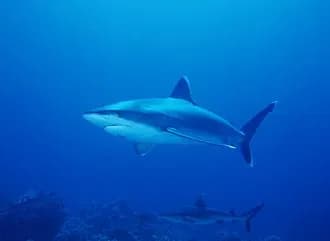
A powerful reef shark with white-edged fins, usually on offshore pinnacles with current.
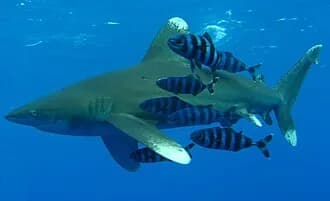
Iconic blue-water shark with rounded white-tipped fins, known around the southern offshore reefs.
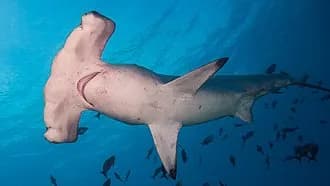
Famous for forming schools in open water, a dream sighting on deeper offshore routes.
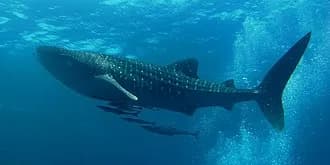
The largest fish in the sea, occasional visitor to the Red Sea during seasonal plankton blooms.
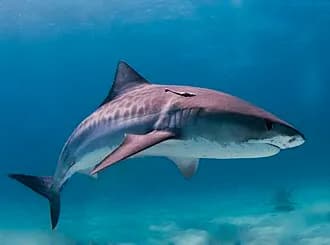
Large striped shark with a blunt head, rare but a bucket-list encounter in the southern Red Sea.
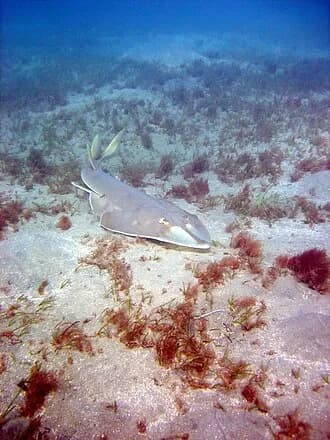
A shark-like ray often seen resting on sandy stretches adjacent to the reef.
Colourful sea slugs that reward careful reef observation and are a favourite subject for macro photographers in Hurghada.
Best habitat: Shaded coral crevices, overhangs, reef walls, sponge-covered blocks, and slow macro-friendly dives
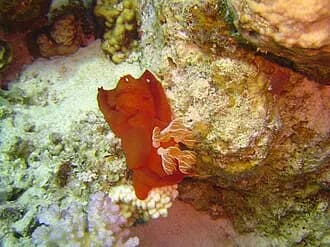
A large red nudibranch famous for its swimming display, best seen on Hurghada night dives.
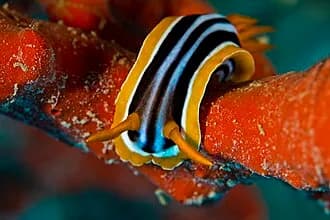
A Red Sea icon with blue, white, yellow and black stripes, often sitting right on red sponges.
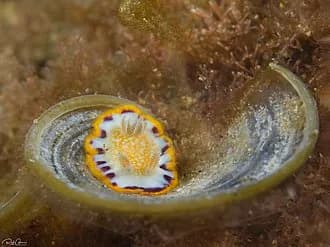
Pale body with tiny spots and yellow rhinophores, a common find on deeper reef walls.
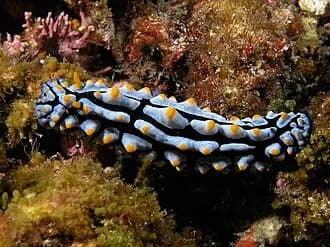
Heavy blue body with yellow ridges, often seen crawling slowly across hard coral bases.
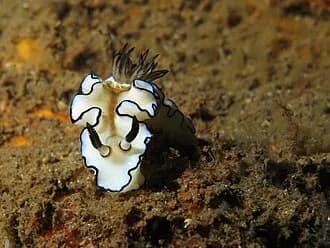
A wavy-edged white nudibranch with a crisp black margin, usually on shaded reef overhangs.
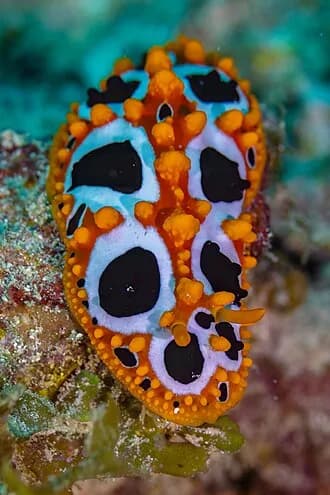
Yellow body with dark-centred rings, a favourite macro subject for photographers.
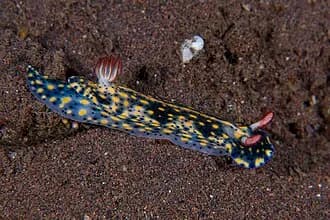
A small purple-spotted nudibranch often found on rubble and sponge patches near the reef base.
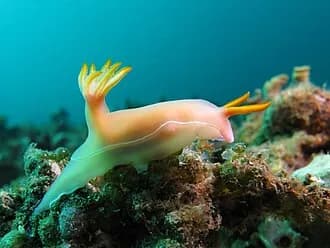
Bright purple body with white-edged gills, typically on deeper reef walls in the southern Red Sea.
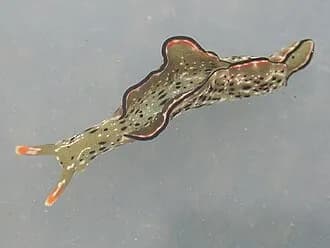
A small sea slug that feeds on algae and shows bright green and orange colouration on the reef flat.
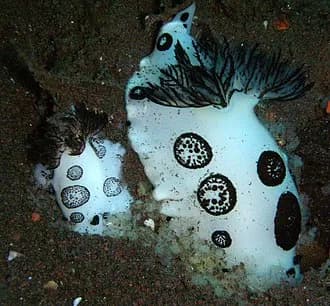
White body with black velvet-like spots, usually on sponge-rich ledges and reef crevices.
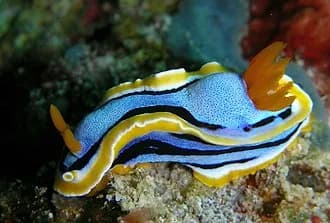
Blue body with a black central stripe and bright yellow edges, a macro-camera classic.
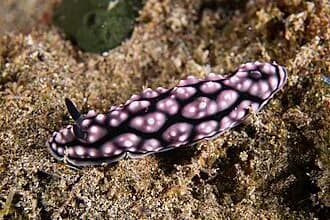
Black nudibranch covered in pink-topped bumps, usually seen slowly crossing coral bases.
Octopuses, cuttlefish, and squid that bring some of the most dramatic behaviour you can witness on a dive.
Best habitat: Reef holes, rubble patches, sandy approaches, and mid-water over coral structure
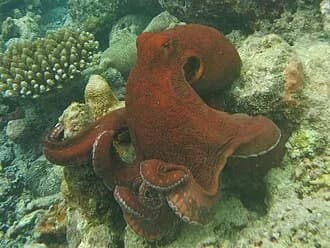
Active during the day around coral heads, famous for rapid colour and texture changes.
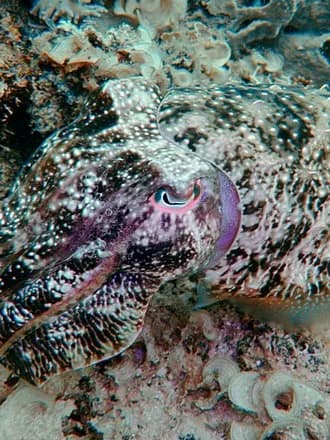
A large cuttlefish seen hovering close to the reef, often during courtship displays.
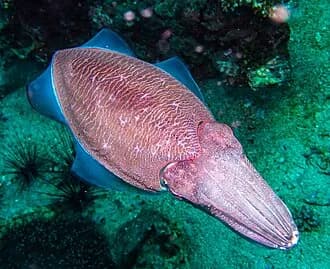
A classic Red Sea cuttlefish with striking colour patterns, often filmed by underwater photographers.
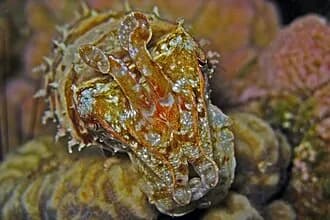
Smaller Red Sea cuttlefish typically found on sandy approaches near the reef base.
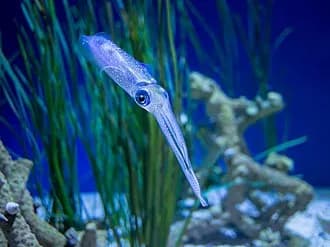
Usually seen in small groups hovering in mid-water over the reef, often during safety stops.
The smaller reef residents that make night dives and slow macro dives feel completely different from a normal reef drift.
Best habitat: Reef crevices, coral heads, anemone hosts, sandy patches, and rubble zones
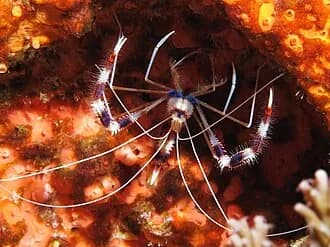
Red-and-white striped cleaner shrimp often sitting at cleaning stations along reef walls.
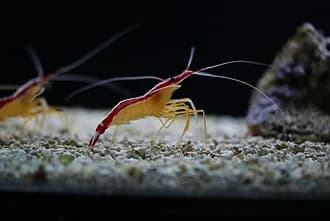
A tiny cleaner shrimp that works on fish and divers willing to stay still near the reef.
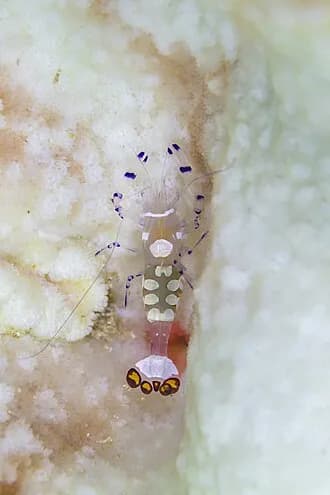
Transparent shrimp with white dots, living safely inside host anemones on the reef flat.
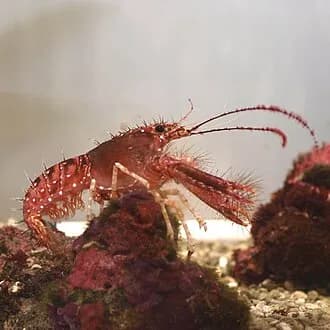
A small bright red reef lobster usually tucked deep into coral holes, a night-dive favourite.
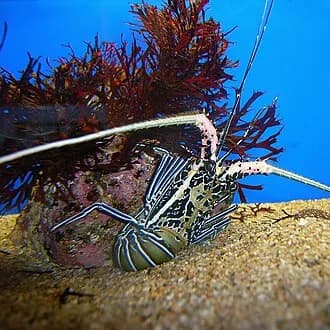
Colourful spiny lobster with long antennae, often seen under overhangs on night dives.
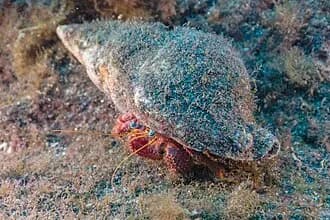
Various hermit crabs wearing reclaimed shells, active on sandy zones and rubble patches.
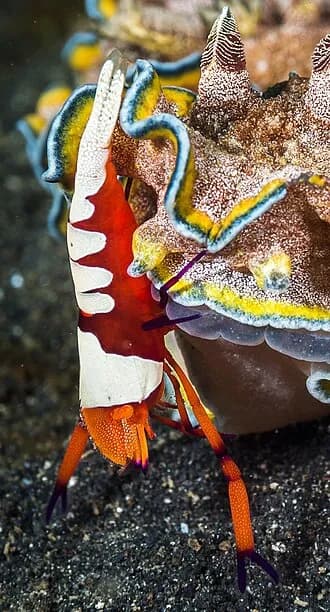
A tiny shrimp that lives on sea cucumbers and nudibranchs, a hard-to-find macro prize.
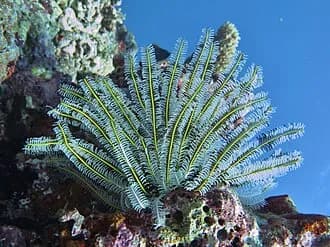
Feather-like arms opened into the current to feed, very photogenic on deeper reef shoulders.
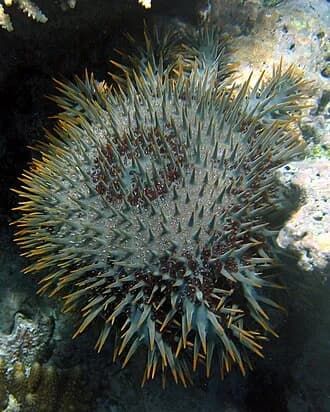
A large venomous starfish that feeds on coral; known but not desired, worth identifying for reef awareness.
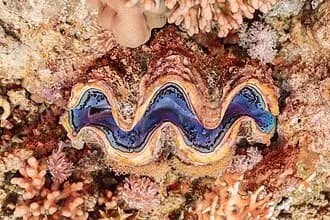
Blue-lipped clams embedded in coral blocks, a Red Sea classic photo subject.
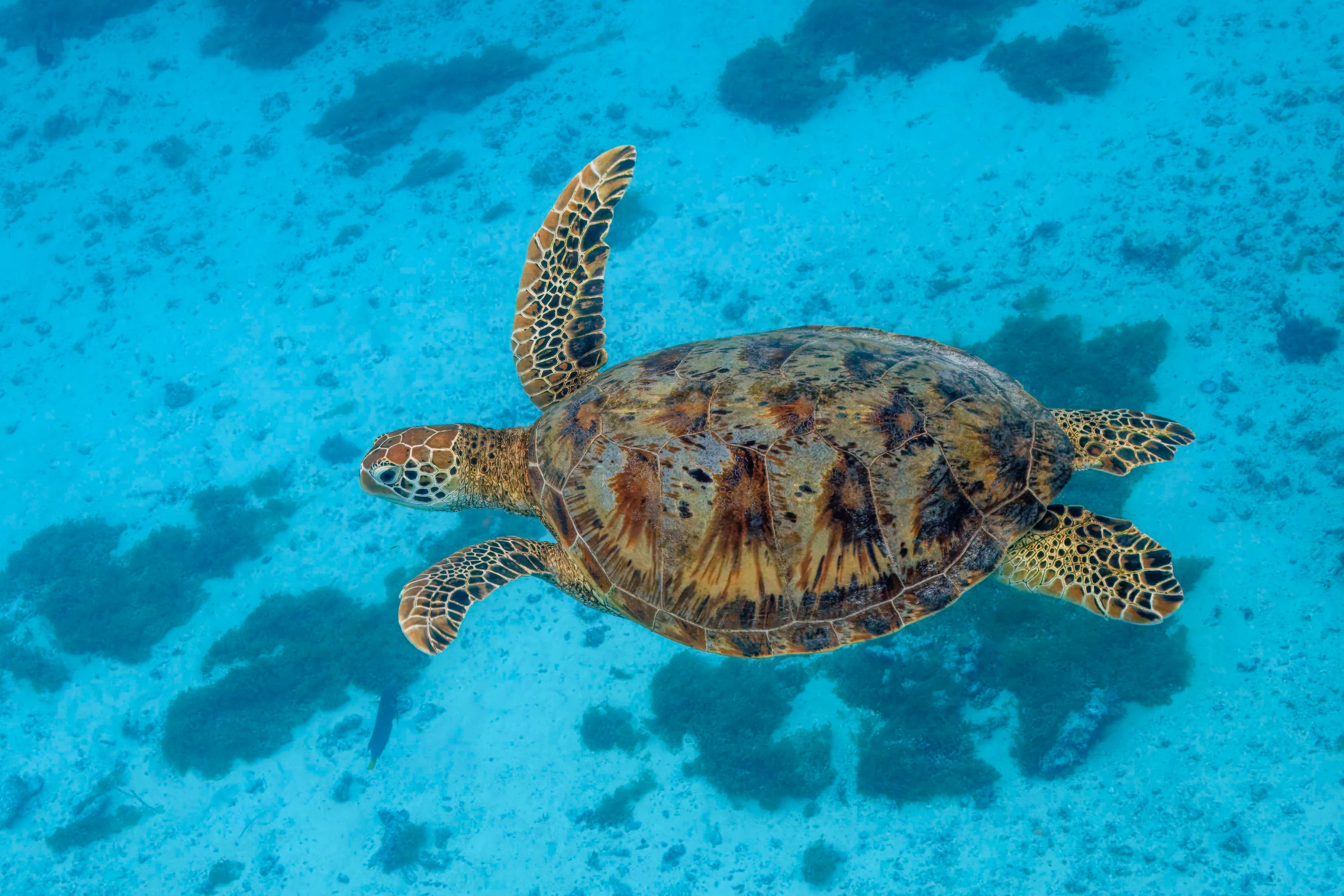
The turtle sightings divers and snorkelers most hope for around Red Sea reefs, seagrass, and calmer bays.
Best habitat: Seagrass patches, coral gardens, sheltered bays, and reef feeding areas
A classic Hurghada sighting, especially around feeding zones, seagrass, and calmer reef sections.
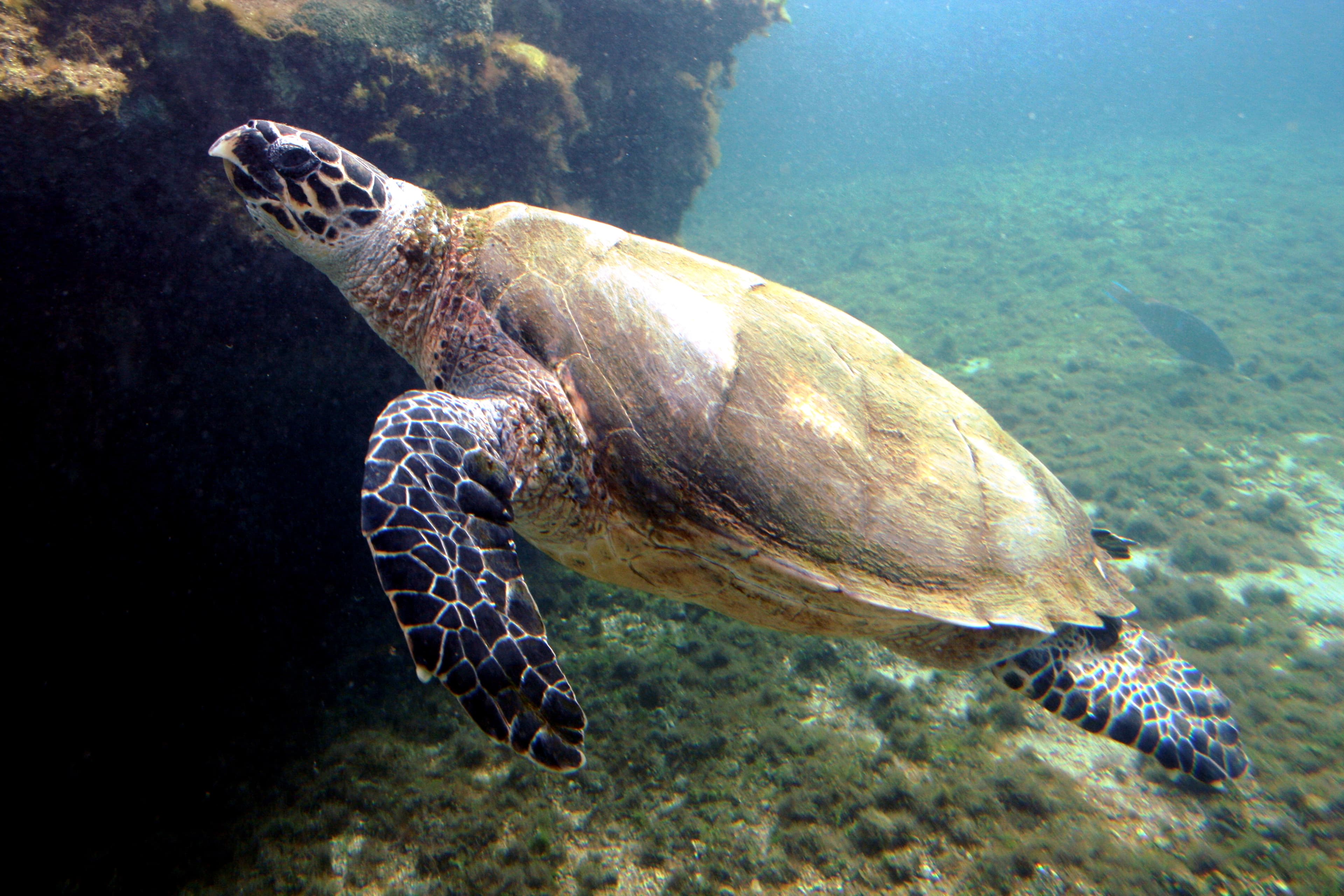
Often associated with coral-rich reef structure where it searches for food among ledges and hard coral.
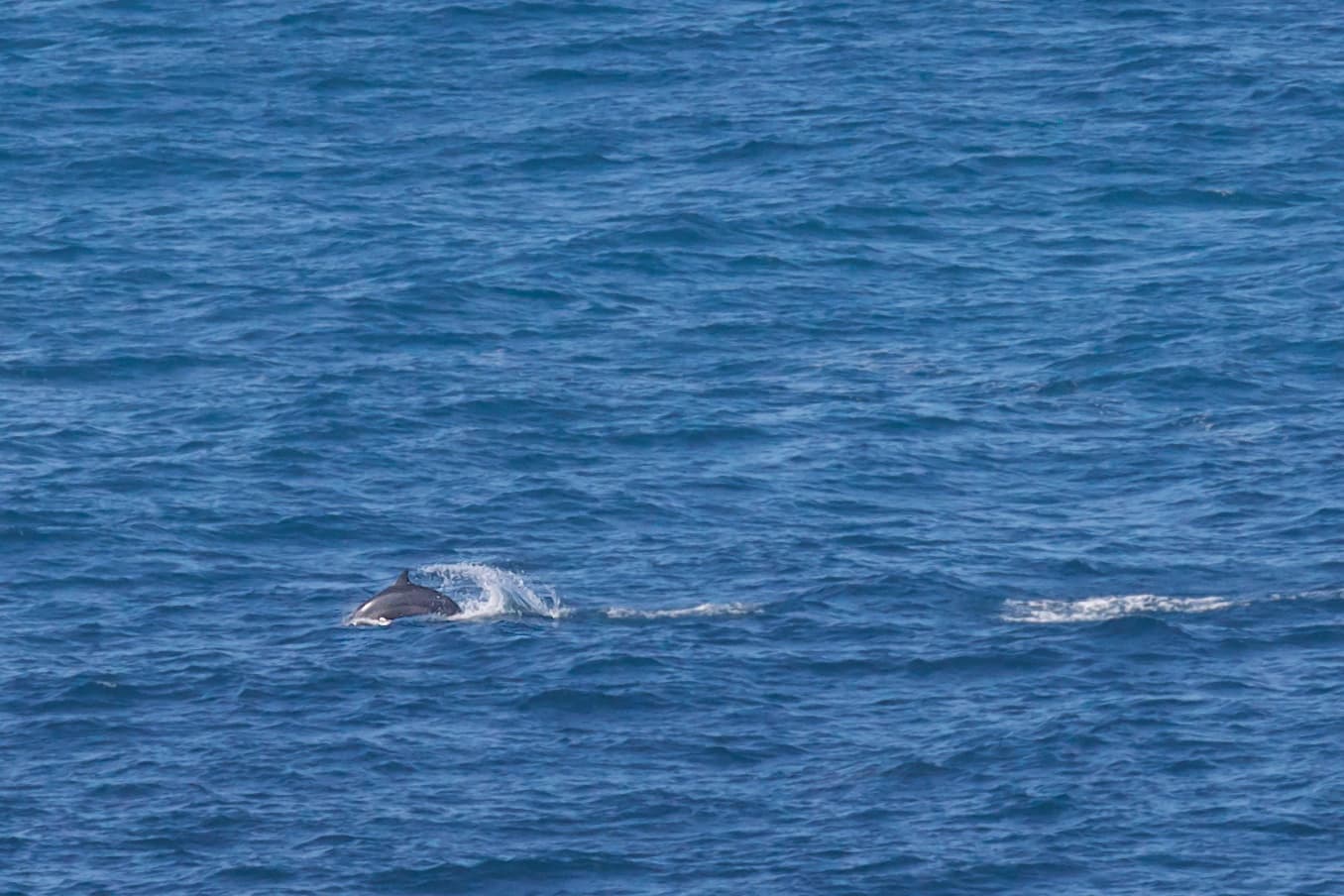
Open-water encounters that many guests ask about before a trip, especially on calmer mornings and transit routes.
Best habitat: Calm blue water, offshore routes, sheltered resting areas, and surface intervals between sites
One of the best-known Red Sea dolphin encounters and a species many guests hope to spot near Hurghada.
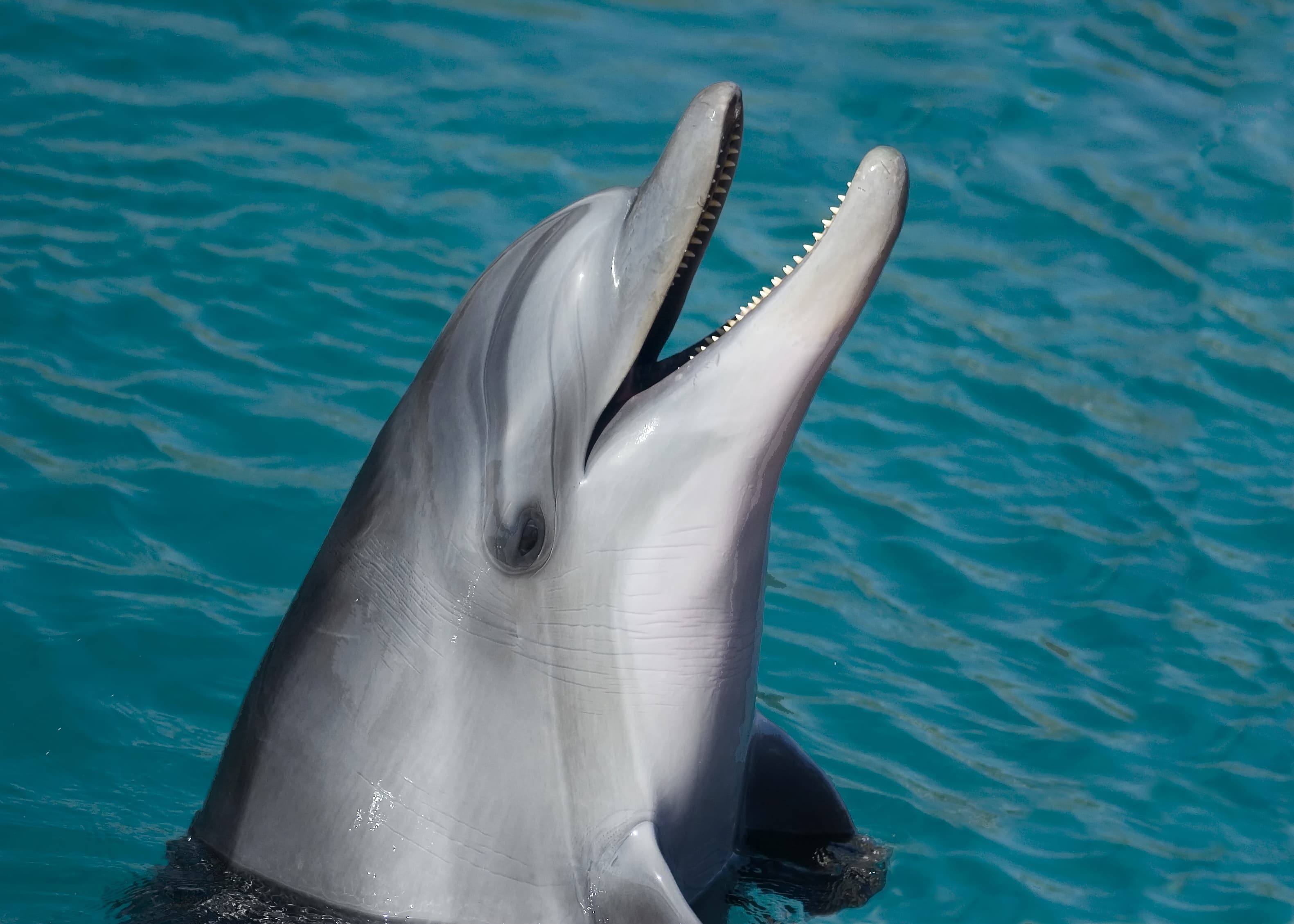
A familiar dolphin profile seen on some boat routes, often in small active groups.
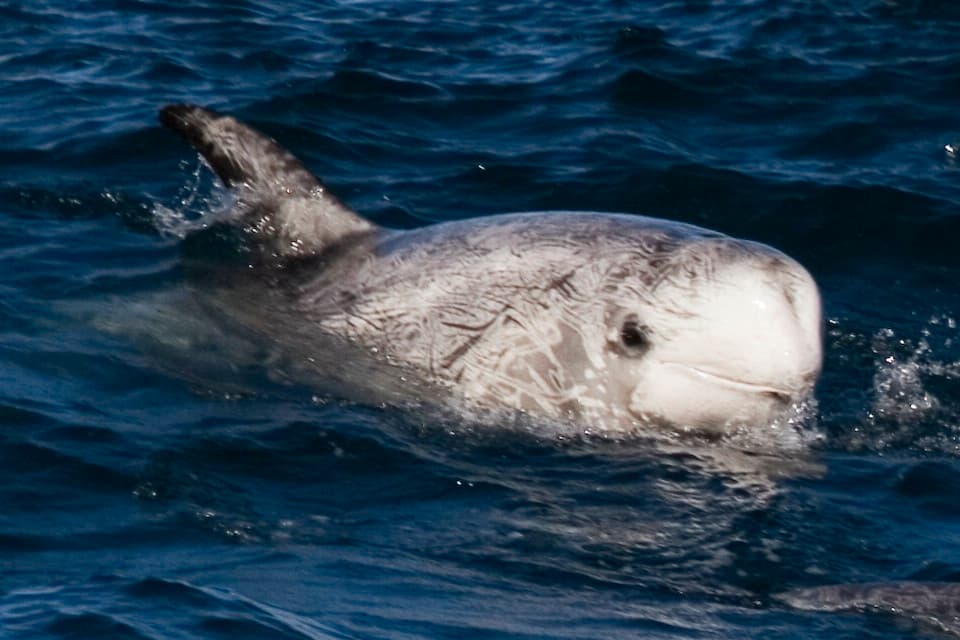
A less common but memorable sighting that adds range to a full Hurghada marine-life guide.
Use It On Your Dive Day
Daily diving is still the best way to spot reef fish, rays, and the common Red Sea classics around Hurghada.